Tesla Invests $250M in Giga Berlin to Double 4680 Cell Capacity

Tesla has committed $250 million more to battery cell production at its Grünheide factory, more than doubling capacity to 18 GWh and adding over 1,500 jobs — bringing total cell investment to nearly €1 billion.

3 min read
Tesla Invests $250M in Giga Berlin to Double 4680 Cell Capacity

AUSTIN, Texas — Tesla has committed another $250 million to battery cell production at its Grünheide factory outside Berlin, more than doubling the facility's planned 4680 cell capacity from 8 gigawatt-hours to 18 GWh annually — and bringing total investment in the site's cell unit close to €1 billion.

Announced May 12, the investment also carries a hiring commitment: Tesla said the expansion will create more than 1,500 battery-related jobs at the site, with recruitment already underway and cell production targeted to begin in the first half of 2027.

From 8 GWh to 18 GWh

When Tesla first announced a cell production line for Giga Berlin in December 2025, the target was 8 GWh — enough to supply roughly 100,000 to 125,000 vehicles per year with locally made cells. The new target of 18 GWh raises that to approximately 250,000 to 350,000 vehicles per year, depending on pack configuration.

The shift changes Giga Berlin from a vehicle assembly factory that imports cells into something closer to Tesla's vision for vertical integration. Tesla stated that "from battery cells to electric vehicles, everything is expected to be produced at a single location starting in 2027."

European Battery Independence

The 4680 cells produced at Giga Berlin are the same cylindrical form-factor cells powering the Cybertruck, the Model Y Long Range, and future models. By scaling cell production in Germany, Tesla reduces its dependence on Asian suppliers for European market vehicles, shoring up its supply chain against geopolitical disruptions and cutting logistics costs.
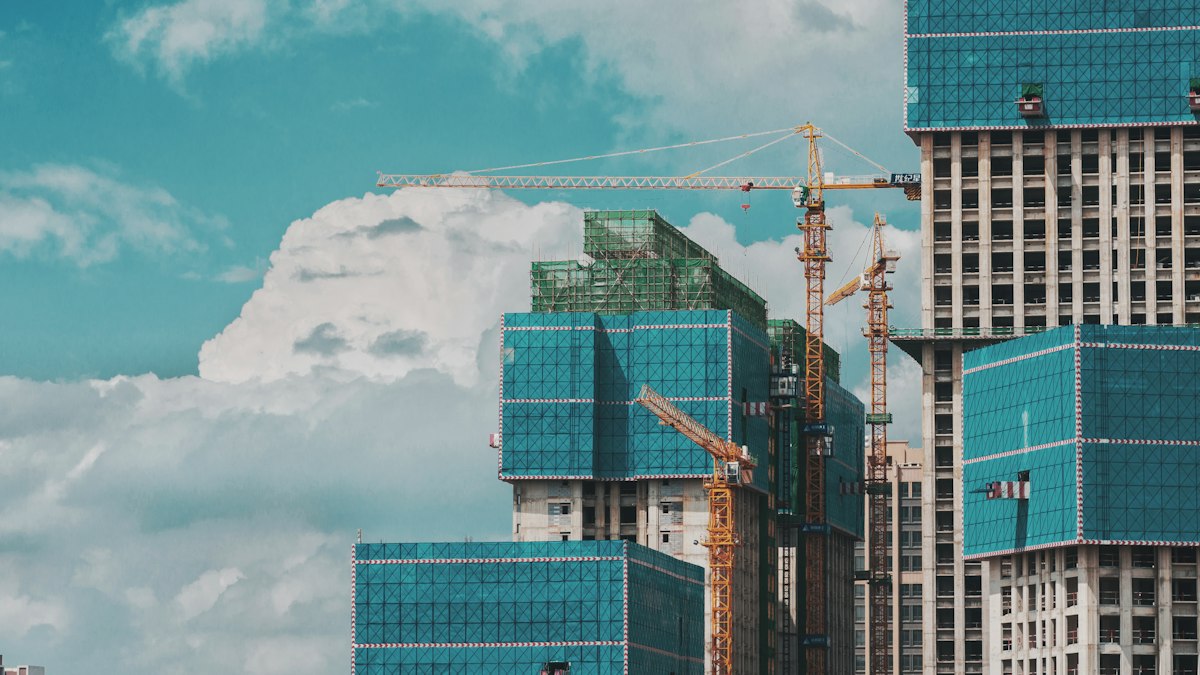
Tesla Invests $250M in Giga Berlin to Double 4680 Cell Capacity — additional image

Europe has been pushing aggressively for domestic battery manufacturing to support its EV transition, with the EU's Battery Regulation requiring increasing percentages of locally sourced cells by 2027. Tesla's Giga Berlin expansion positions it ahead of those requirements and ahead of most European automakers still working to establish cell production at scale.

Recovery and Momentum

The investment comes as Giga Berlin's broader production is recovering from a difficult 2025. The factory shed roughly 1,700 jobs during a period when European sales declined sharply. But the refreshed Model Y has stabilized demand, and in April Tesla announced plans to hire 1,000 workers and boost output by 20%.

Total investment in the Grünheide cell unit now approaches €1 billion, a figure that signals Tesla's long-term commitment to Germany as a manufacturing hub and not just an assembly point.

What 18 GWh Means

At full capacity, 18 GWh of annual cell production would supply enough energy for roughly 250,000 to 350,000 vehicles per year from a single factory floor. That positions Giga Berlin to become one of the most self-sufficient Tesla factories in the world — making its own cells, assembling its own vehicles, and serving the European market with minimal external supply chain dependency.

With production expected to begin in H1 2027, Giga Berlin is on track to become one of the most vertically integrated automotive manufacturing sites in Europe, and a key pillar of Tesla's strategy to dominate the continent's EV market through the end of the decade.