AUSTIN, Texas — Tesla customers avoided releasing nearly 37 million metric tons of CO2e into the atmosphere in 2025, according to the company's newly released extended Impact Report — the equivalent of driving an internal combustion engine vehicle about 90 billion miles, and up from roughly 32 million metric tons in 2024.
The Per-Vehicle Math
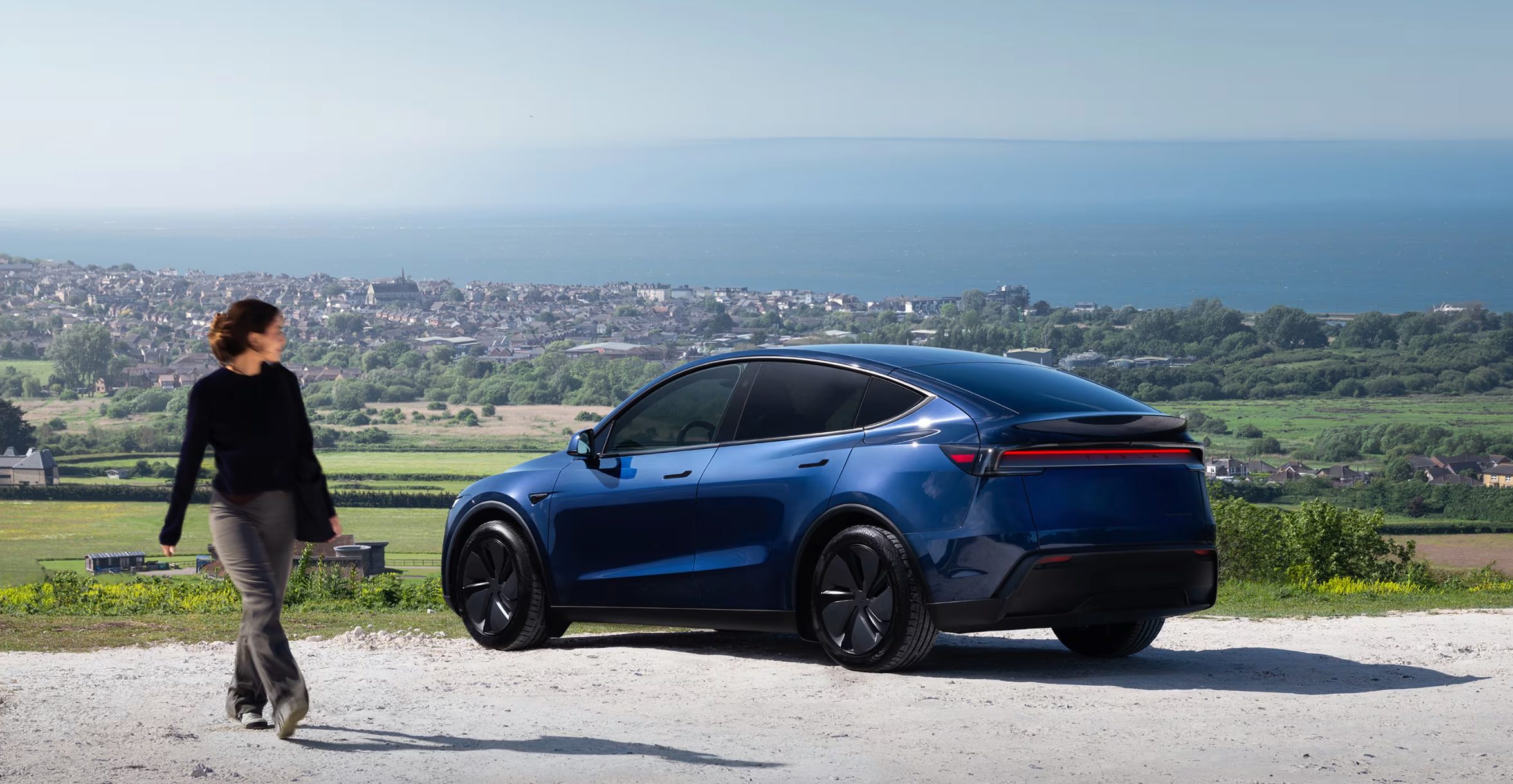
The 216-page report lays out the accounting in unusual detail. Globally, a single Tesla avoids about 32 metric tons of CO2e over a 200,000-mile life; in the U.S., the figure rises to 52 metric tons. While EVs carry a heavier manufacturing footprint, a Tesla crosses below a comparable gas car's lifetime emissions after roughly four years or 38,500 miles of driving — and Tesla notes both numbers are conservative, since they assume the grid never gets cleaner.
Full lifecycle assessments show Tesla vehicles beating combustion cars in every region: 71% lower lifetime emissions in the Americas, 73% in Europe and 45% in China. With nearly nine million vehicles on the road generating real-world data — a fleet that has since crossed the 10-million mark — Tesla says it can measure use-phase emissions directly rather than estimating them.
Autonomy Enters the Climate Ledger
For the first time, autonomy is a headline part of the environmental story. Full Self-Driving (Supervised) is on average 5% more energy-efficient than manual driving, based on 65 million real-world miles sampled in 2025. The safety data is equally striking: drivers with FSD engaged experienced 8x fewer major collisions than the U.S. national average.
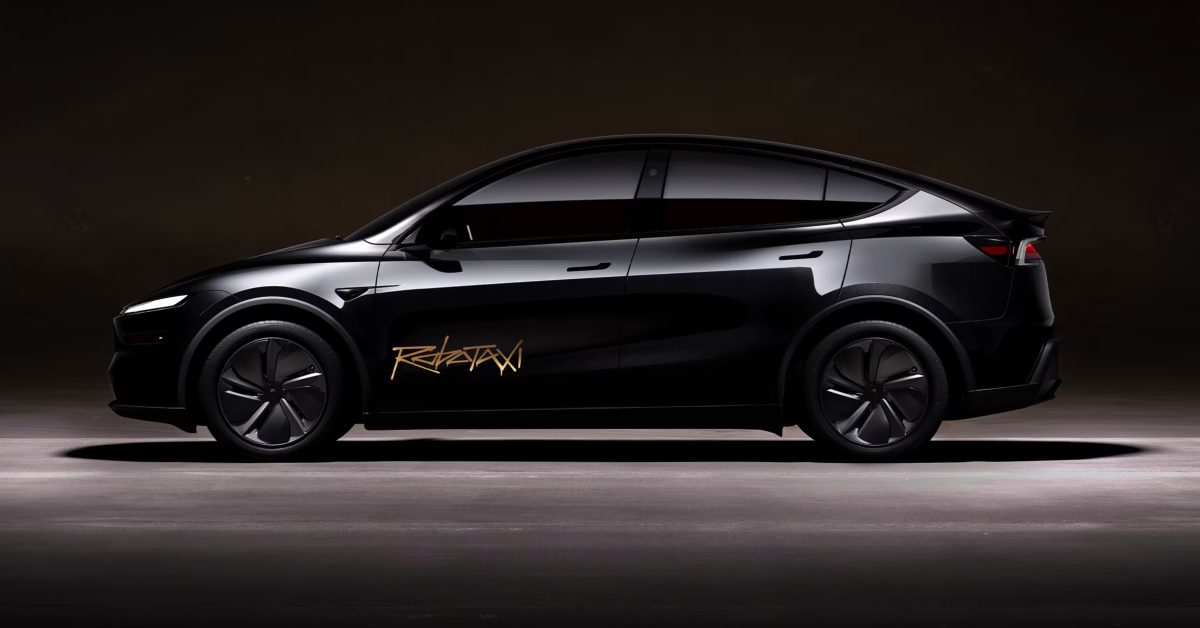
Cybercab pushes the curve further. Purpose-built for autonomy with no steering wheel or pedals, it is projected to avoid nearly twice as many emissions per mile as Model 3 and Model Y. Its reaction injection molded panels eliminate the paint shop entirely, cutting manufacturing and supply chain emissions 35% for those parts. The Robotaxi network that launched in Austin in June 2025 and is now expanding to new markets is framed as a sustainability multiplier: higher utilization per vehicle means more avoided emissions per battery built.
Safety Milestones Stack Up
The report pairs the climate numbers with a safety sweep. Model Y became the first vehicle to pass the National Highway Traffic Safety Administration's new Advanced Driver Assistance System tests. Tesla vehicles recorded 6.6 fires per billion miles driven versus a 54.0 U.S. average — roughly eight times better. Airbags now deploy up to 70 milliseconds earlier than other systems, and 98% of 2025 recalls were resolved over the air, no service visit required.
A Growing Denominator
Tesla is direct about the tension in its own numbers: scaling factories grows absolute emissions in the short term, which is why the company anchors on a net-zero-by-2040 target across its full value chain rather than slowing product deployment. The full methodology — including region-by-region lifecycle data — is available in the 2025 extended Impact Report.
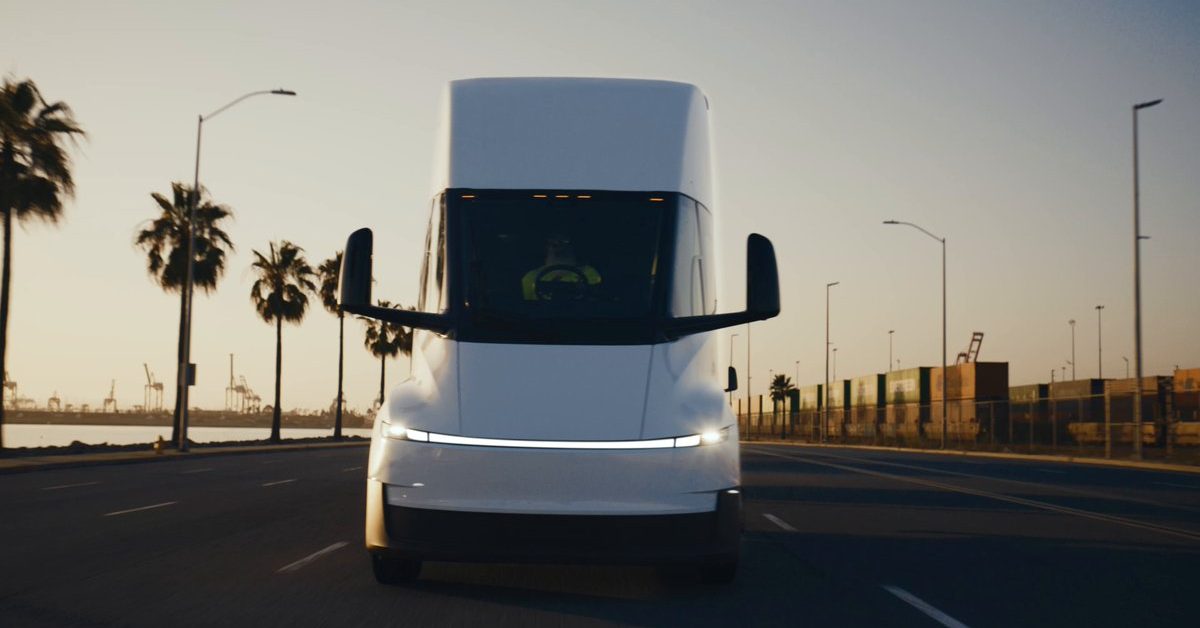
With Semi entering fleets and Cybercab ramping, Tesla expects the avoided-emissions curve to steepen from here. The 37-million-ton figure, the company argues, is not the achievement — it is the baseline.