AUSTIN, Texas — Tesla has increased prices on its best-selling Model Y crossover for the first time in two years, raising sticker prices by up to $1,000 on select trims and signaling a meaningful strategic shift after a prolonged period of aggressive discounting.
The adjustments affect the Premium and Performance configurations of the 2026 Model Y, while base trims remain unchanged — a deliberate move to protect volume at the entry level while capturing more margin from buyers who are willing to pay for higher-spec vehicles.
The New Price Structure
The updated pricing in the United States is as follows:
- Model Y Premium RWD: $45,990 (up $1,000)
- Model Y Premium AWD: $49,990 (up $1,000)
- Model Y Performance AWD: $57,990 (up $500)
- Model Y RWD (base): $39,990 (unchanged)
- Model Y AWD (base): $41,990 (unchanged)
The increases are modest in percentage terms — under 3% across affected trims — but the direction carries significant symbolic weight. Tesla has not raised Model Y prices since mid-2024, and today's move ends the longest stretch of flat-to-falling pricing the company has maintained on its flagship vehicle.
End of the Discounting Cycle
Tesla spent the better part of two years in an aggressive price-cutting posture. Beginning in early 2023, the company slashed Model Y prices by as much as $13,000 cumulatively, prioritizing production throughput and market share over per-unit profitability. The strategy kept factories running but compressed automotive gross margins from above 25% in early 2023 to below 18% by mid-2025.
The new increases suggest Tesla believes the demand equation has shifted — at least in the premium segments. With Cybercab production now ramping at Giga Texas and the Robotaxi platform approaching commercial launch, Tesla's product lineup is expanding in ways that could relieve pressure on Model Y volume while creating new revenue streams.
Competitive Landscape
The timing of the increase is notable. Tesla is raising prices at a moment when competitors including Hyundai, Ford, and BYD continue to apply downward pricing pressure across the mid-size electric SUV segment. The Hyundai Ioniq 5 AWD starts around $45,000, while the Ford Mustang Mach-E Select AWD comes in at roughly $42,995.
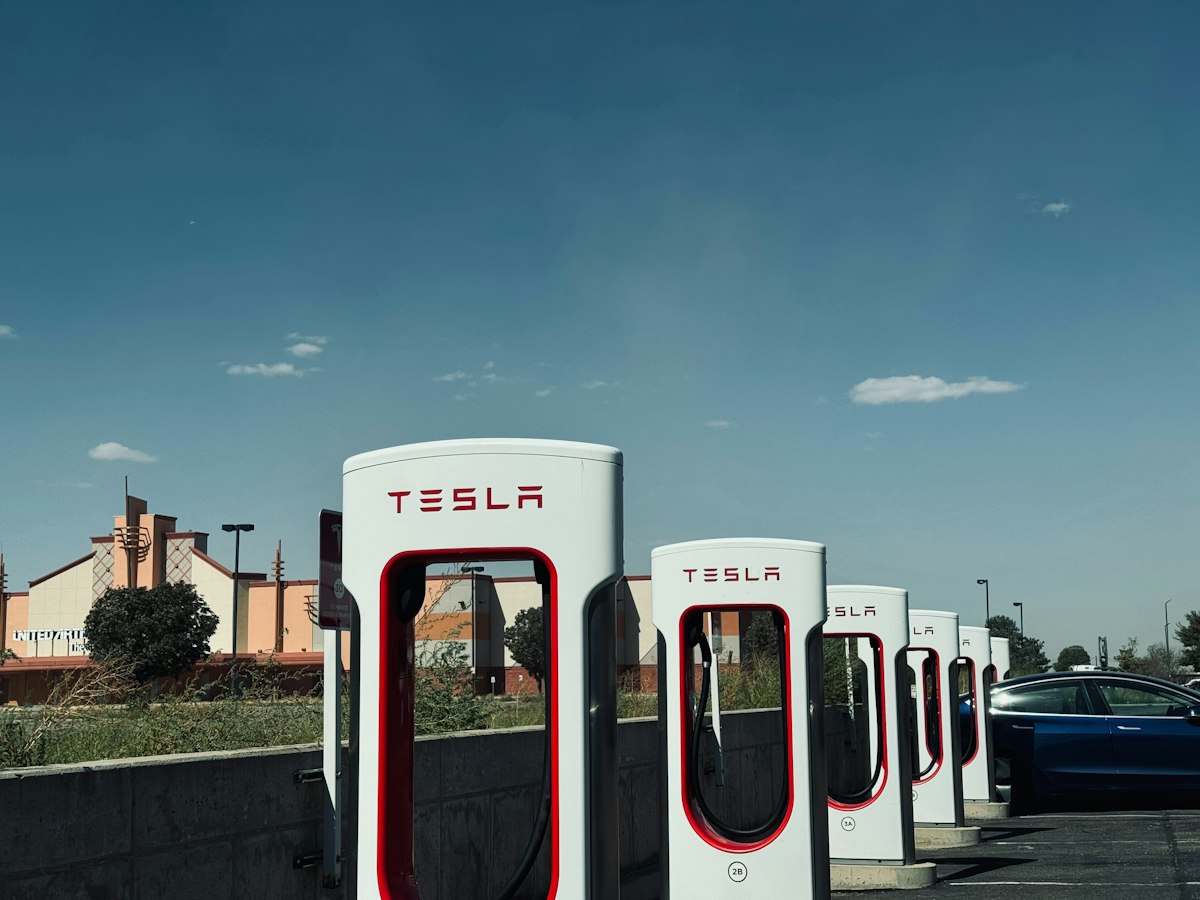
Tesla's decision to raise prices into this environment reflects confidence in the Model Y's brand strength, the pull of the Supercharger network, and the vehicle's unique combination of range, technology, and over-the-air software capability.
What It Means Going Forward
For investors and analysts watching Tesla's margin recovery, today's move is an encouraging signal. The company is beginning to price for value rather than volume, a posture that could meaningfully improve per-vehicle profitability as production efficiency continues to improve at Giga Texas and other facilities.
The base Model Y remaining unchanged ensures Tesla does not sacrifice accessibility at the entry level, a smart positioning that keeps the most price-sensitive buyers in the tent. Meanwhile, the increases on Premium and Performance trims set the stage for stronger gross margins as the year progresses — exactly the kind of financial momentum that Tesla needs heading into its next phase of growth.