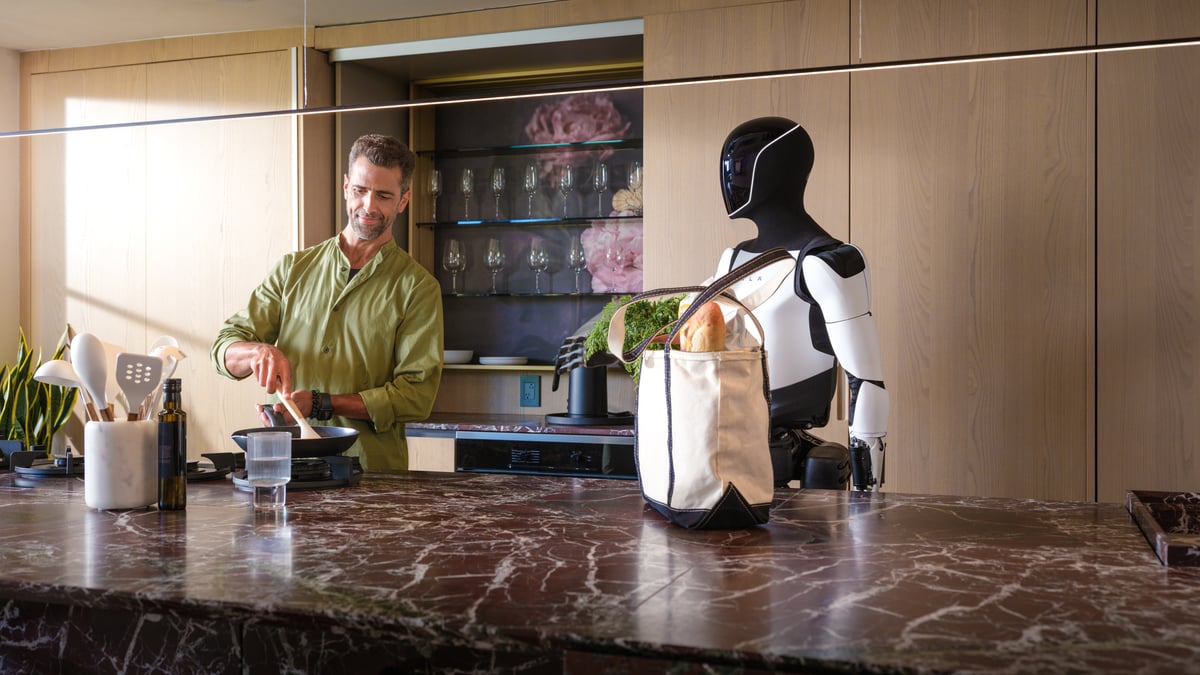
AUSTIN, Texas — Tesla's humanoid robot is moving from demo stage to the assembly line faster than almost anyone expected. Supply-chain reports this month indicate the company has ordered enough components to build about 15,000 Optimus units in 2026, with plans to reach roughly 1,000 robots a week by the end of September and about 2,500 a week by year-end.
From Prototype to Production Run
That cadence implies an annual run rate of 100,000 to 125,000 units heading into 2027 — a scale-up that lines up with the Optimus production lines Tesla has been installing at Fremont and its Optimus Academy training program. The early robots are destined for Tesla's own factories and pilot deployments, where they will learn tasks that are repetitive, unsafe, or simply tedious for people, and where every bot's progress feeds back into the fleet.
Speaking earlier this year, Elon Musk said Tesla could begin shipping its first commercial Optimus units to outside customers in 2027, with a long-run target price of $20,000 to $30,000 once volumes climb. He has floated a stretch goal of up to one million units in 2027, while most analysts model a more measured 100,000 to 500,000 as the line matures.
What It Could Mean for Tesla
The financial upside is significant even under conservative assumptions. As The Motley Fool laid out in its analysis, selling 500,000 units at $30,000 each would add roughly $15 billion in revenue — meaningful, though still a fraction of Tesla's projected 2027 top line, underscoring that Optimus complements rather than replaces the core vehicle business in the near term.