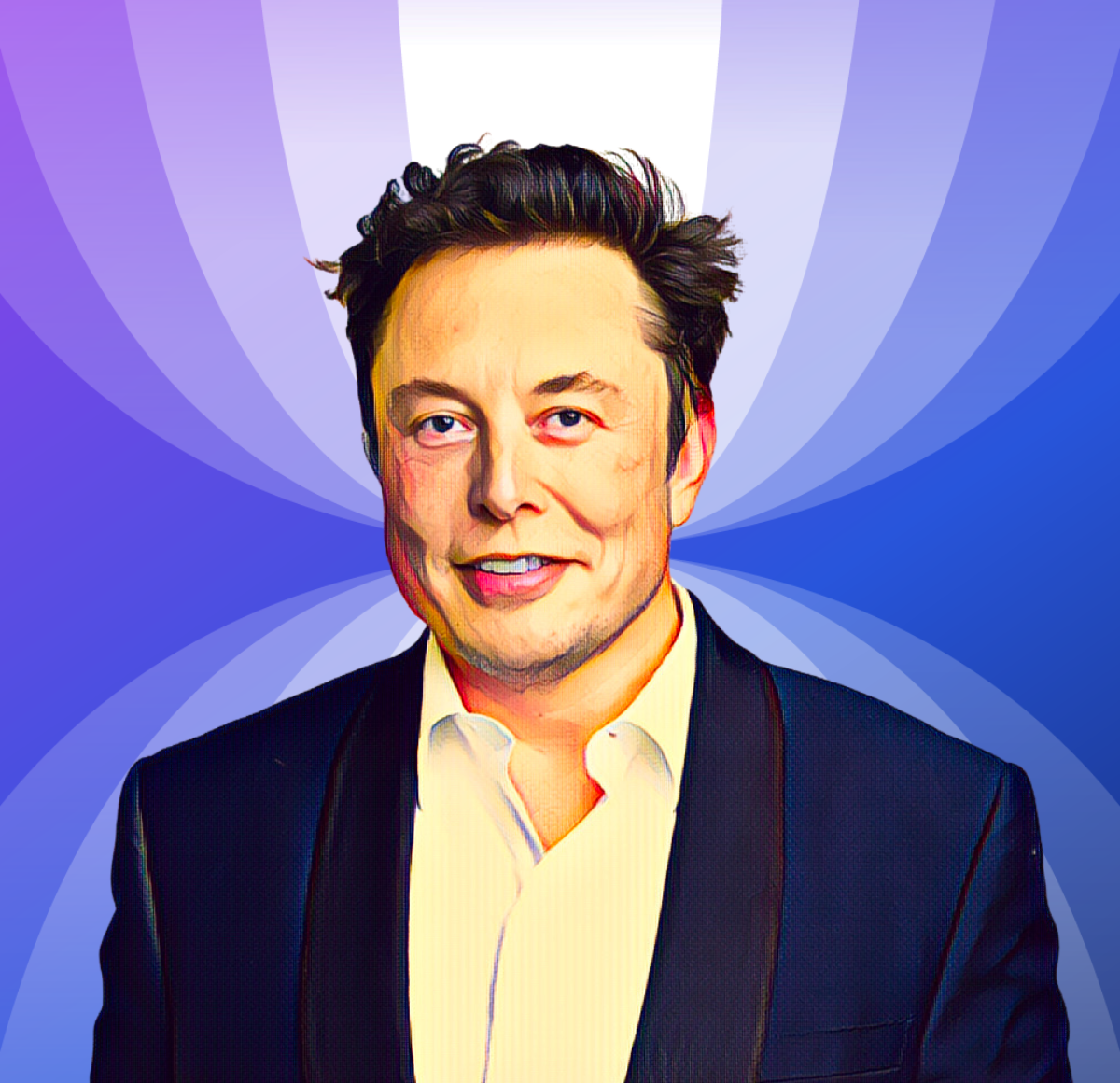
WASHINGTON — When SpaceX prices its initial public offering on June 11, 2026 and shares begin trading on the Nasdaq the following morning under the ticker SPCX, Elon Musk will cross a threshold no individual in recorded financial history has reached: a personal net worth of one trillion dollars.
The arithmetic is precise. Musk's economic equity in SpaceX at the $135-per-share offering price is worth approximately $866.5 billion. His Tesla position adds approximately $350 billion at the current share price. Stakes in xAI, Neuralink, and The Boring Company, along with liquid assets, push the sum past $1 trillion.
Forbes estimated Musk's net worth at approximately $835 billion entering June 2026, already the largest gap in history between the world's wealthiest individual and the person in second place. Larry Page of Alphabet sits at approximately $298 billion — a difference of more than $500 billion that will widen dramatically at the open on June 12.
The Company Behind the Number
SpaceX began in 2002 in El Segundo, California, funded by $100 million that Musk committed from the proceeds of the PayPal sale to eBay. The first three orbital attempts with the Falcon 1 rocket failed. A fourth launch in September 2008 succeeded, saving the company from insolvency with days to spare.
From that near-failure, SpaceX grew into the most consequential private aerospace company ever built. Its Falcon 9 is the world's most proven orbital launch vehicle, having executed more than 400 successful missions. Starlink, SpaceX's satellite internet service, reached 10.3 million subscribers in early 2026, representing 69% of the company's total revenue. The Starship heavy-lift vehicle is the most powerful rocket ever constructed.
SpaceX generated $18.7 billion in revenue in 2025 but posted an operating loss as it funded simultaneous development of Starship, Starlink expansion, and an orbital AI compute program. The $1.77 trillion IPO valuation is not a reflection of current earnings — it is the market's assessment of the probability that Musk's long-term vision for interplanetary spaceflight, global internet infrastructure, and orbital data centers is achievable.
A Wealth Structure Built to Last
What makes Musk's wealth milestone structurally different from previous records is the degree of control he retains after the IPO. SpaceX is structured with dual-class shares that give Musk more than 82% of total voting power after the offering. The value tied to his name is inseparable from his ability to direct the company that holds most of it.
Goldman Sachs, Morgan Stanley, Bank of America, Citigroup, and JPMorgan are serving as lead underwriters. JPMorgan CEO Jamie Dimon personally hosted live events for 2,500 of the bank's wealthiest clients across 90 locations in 26 states to present the SpaceX investment case alongside SpaceX president Gwynne Shotwell and CFO Bret Johnsen.
Milestones Being Created
Musk is not the only person whose net worth changes materially on June 12. Shotwell's SpaceX equity crosses the billion-dollar threshold at IPO price. CFO Bret Johnsen's 9.58 million Class A shares are valued at approximately $1.2 billion. SpaceX's approximately 14,000 employees hold stock options that make this the largest single cohort of newly created millionaires from any IPO in American corporate history.
For context on the $1 trillion number: the GDP of Saudi Arabia in 2025 was approximately $1.1 trillion. The combined market capitalization of Goldman Sachs, Morgan Stanley, and JPMorgan is approximately $900 billion. Musk's post-IPO net worth will represent roughly 29% of Apple's total market capitalization.
A 24-Year Bet
The trillion is real — and largely illiquid. Musk's SpaceX shares are subject to lockup restrictions, and his Tesla position is large enough that any material sale moves the market. But the value exists in equity structures he controls, in companies whose technology and market position are real.
The June 12 milestone is not just a number. According to analysis by Billionaires.Africa, it is the financial expression of a 24-year bet — funded with Musk's own money when the rocket kept exploding, maintained through multiple near-insolvency moments, and ultimately validated by the public markets at a scale that no previous wealth accumulation has approached. SpaceX's IPO prospectus outlines ambitions from asteroid mining to Moon refueling, suggesting the trillion may be a floor, not a ceiling.