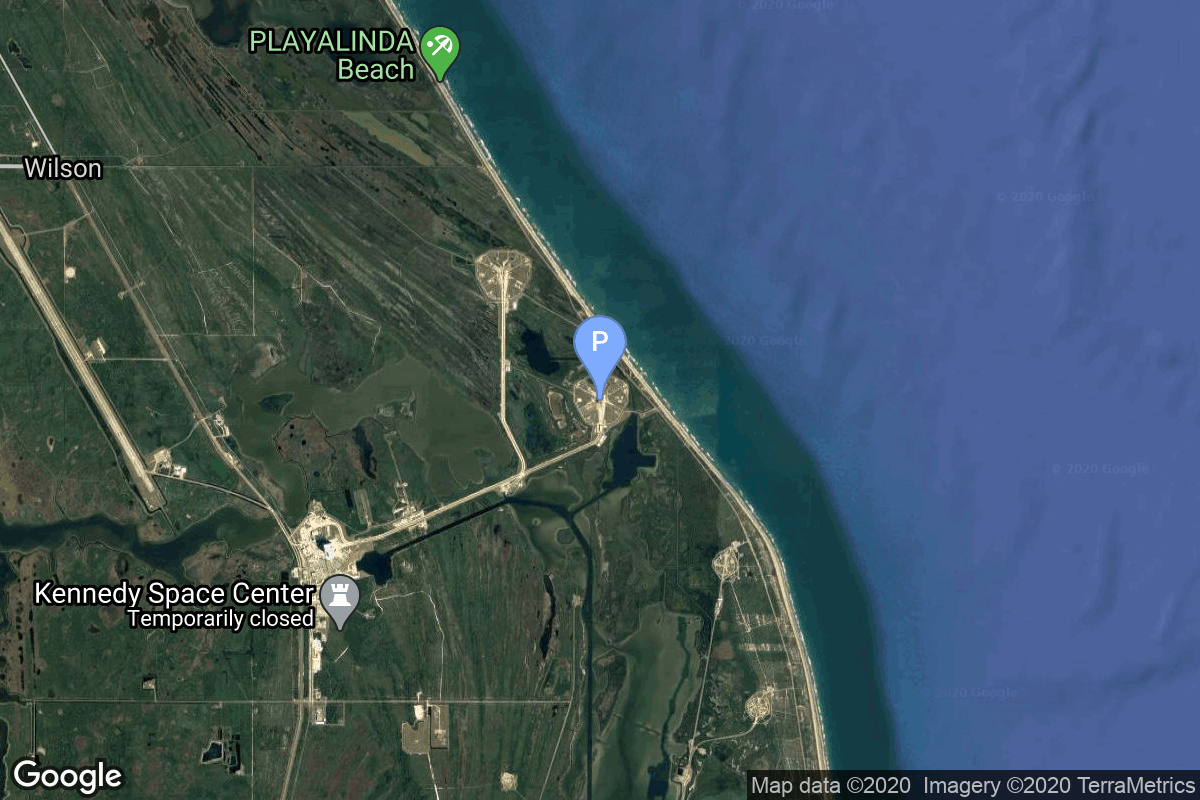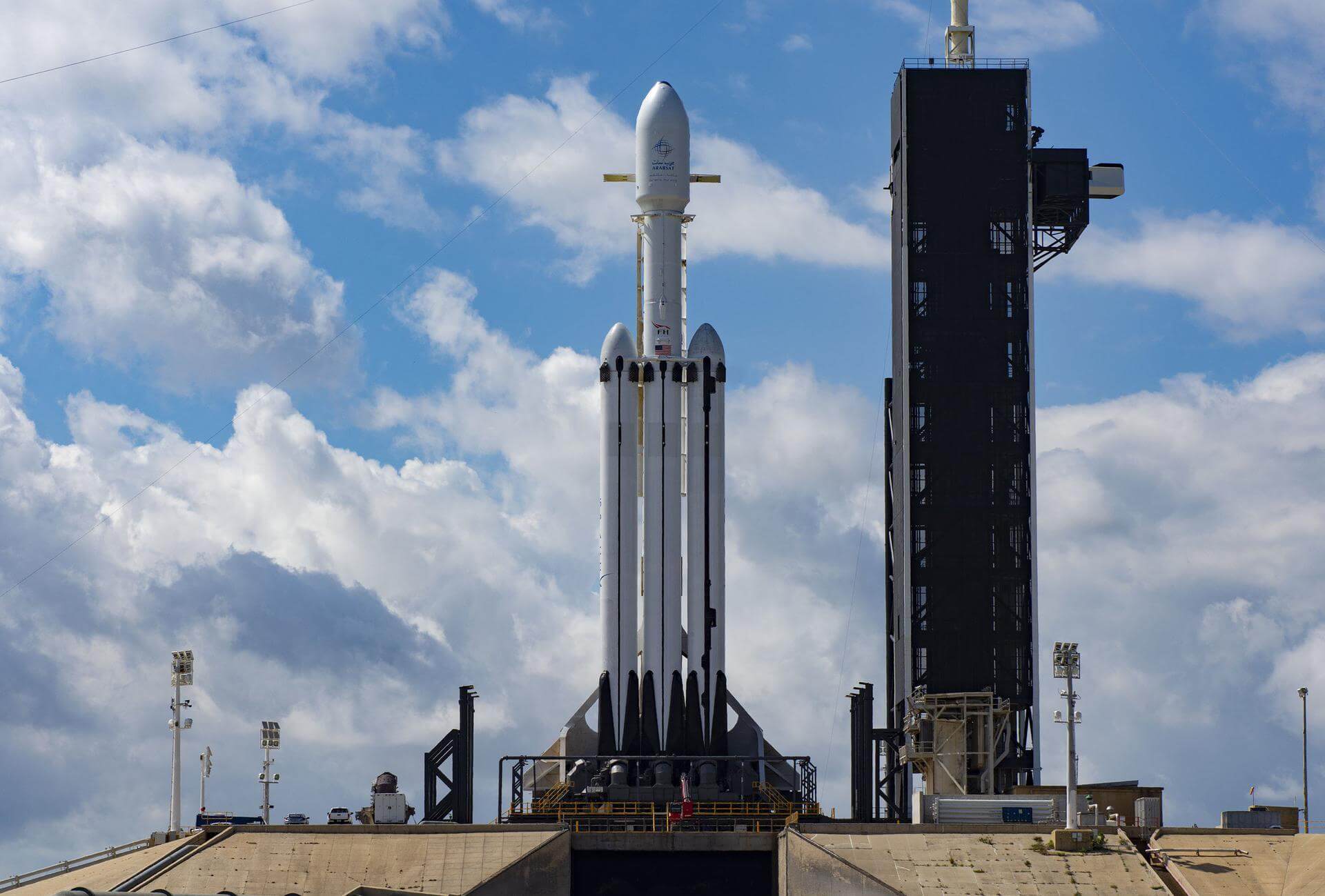
HAWTHORNE, Calif. — One of NASA's flagship science missions is about to ride a SpaceX rocket to space. The Nancy Grace Roman Space Telescope is fueled and undergoing final preparations at Kennedy Space Center for launch aboard a Falcon Heavy on August 30, a milestone that arrives well ahead of the observatory's official commitment to be ready by May 2027.
Liftoff is targeted for 11:26 UTC from historic Launch Complex 39A, the same pad that sent Apollo crews to the Moon. Roman will head toward the Sun-Earth L2 point, roughly a million miles from Earth, on a mission NASA lists at a launch cost of about $90 million — a figure that underscores how SpaceX's reusable heavy-lift rocket has reshaped the economics of flagship science. The launch caps a busy stretch for the company, whose relentless cadence has been reinforced by a new national space transportation policy aimed at dramatically expanding US launch capacity.
A Wide Eye on the Universe
Roman carries a primary mirror 2.4 meters across — the same size as Hubble's — but its Wide-Field Instrument delivers a field of view roughly 100 times larger. In practical terms, Roman can capture in a single image what would take Hubble a hundred exposures to survey, with comparable sharpness.
That panoramic power is built for two of the biggest questions in astrophysics: mapping the influence of dark energy on the expansion of the universe, and hunting for exoplanets through gravitational microlensing. A second instrument, the Coronagraph, will test advanced starlight-suppression techniques that could help future missions image Earth-like worlds directly.