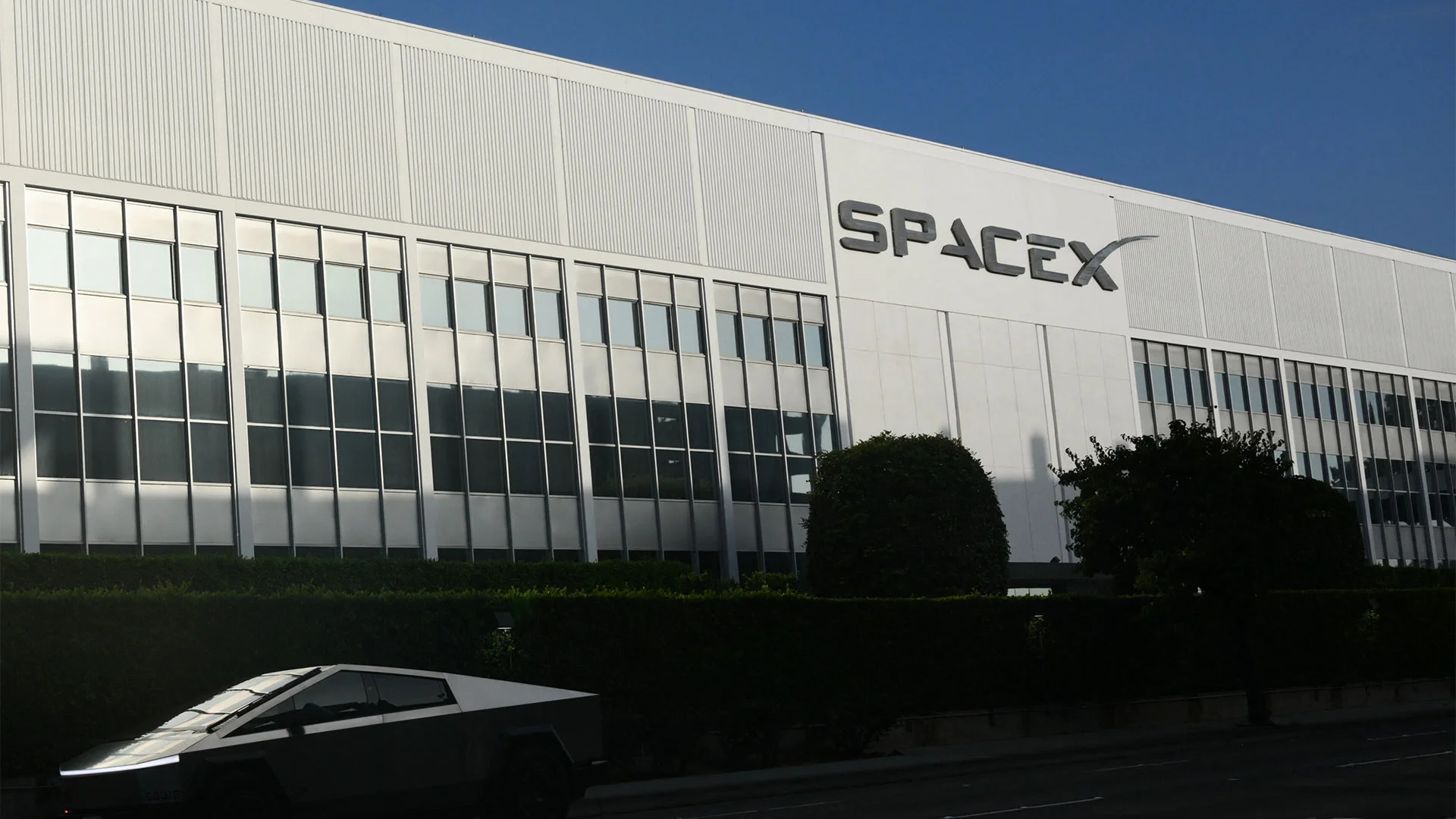
SpaceX Raises Record $75 Billion as SPCX Begins Nasdaq Trading

SpaceX priced its IPO at $135 per share, raising $75 billion — the largest initial public offering in history — as SPCX shares begin trading on the Nasdaq today.

3 min read
SpaceX Raises Record $75 Billion as SPCX Begins Nasdaq Trading

HAWTHORNE, Calif. — SpaceX has officially priced the largest initial public offering in history, selling 555.5 million Class A shares at $135 apiece to raise $75 billion as its stock begins trading on the Nasdaq today under the ticker SPCX.

The pricing, confirmed in the company's final filing with the SEC, values SpaceX at $1.77 trillion — enough to surpass Saudi Aramco's roughly $1.74 trillion market capitalization and make this the biggest stock market debut ever recorded. Demand ran far ahead of supply: the offering drew more than $150 billion in orders within days of opening, and total investor demand reportedly climbed past $250 billion by the time the books closed.

A Debut Built for Everyday Investors

What sets this IPO apart from every megadeal before it is who gets to participate. SpaceX reserved an estimated 20% to 30% of shares for retail investors — multiples of the typical 5% to 10% allocation — making them available through Fidelity, Charles Schwab, Robinhood, E-Trade, and SoFi. Fidelity even lowered its account minimum so smaller investors could take part, according to CNBC's breakdown of the offering.

The offering is expected to close on June 15, and underwriters hold a 30-day option to purchase up to 83.3 million additional shares at the IPO price — a cushion that could push the total raise well beyond $80 billion if exercised.

SpaceX Raises Record $75 Billion as SPCX Begins Nasdaq Trading — additional image

More Than a Rocket Company

The company going public today is far broader than the one founded in March 2002. With xAI folded into its corporate structure, SpaceX now spans reusable rockets, the Starlink broadband network with more than 10,500 satellites in orbit, the Grok family of AI models, and an ambitious plan for orbital AI data centers powered by Starship launches.

Starlink alone generated $4.4 billion in connectivity income in 2025, more than double the prior year, and the company's prospectus lays out new markets ranging from point-to-point Earth travel to asteroid mining and large-scale Mars infrastructure.

What Comes Next

The capital raised gives SpaceX an unprecedented war chest to accelerate Starship development, scale its AI satellite production in Bastrop, Texas, and fund the Mars program at the heart of Elon Musk's long-term vision.

Index funds will not be far behind the opening bell. Nasdaq and FTSE Russell have agreed to fast-track SPCX into their benchmarks, a move expected to trigger billions in automatic index buying within weeks. For the millions of retail investors who waited two decades for a chance to own a piece of SpaceX, that wait ends this morning — and the company's next chapter begins with more fuel in the tank than any newly public company has ever had.