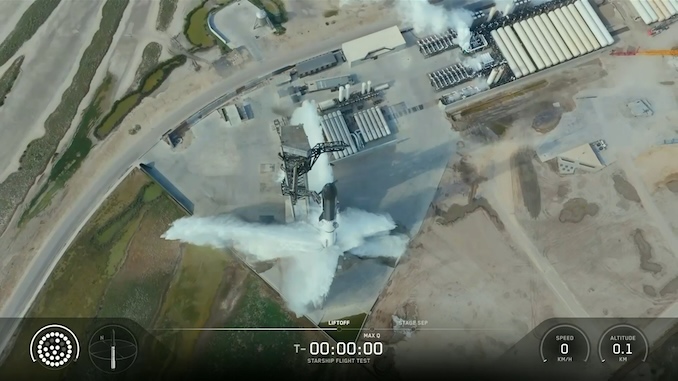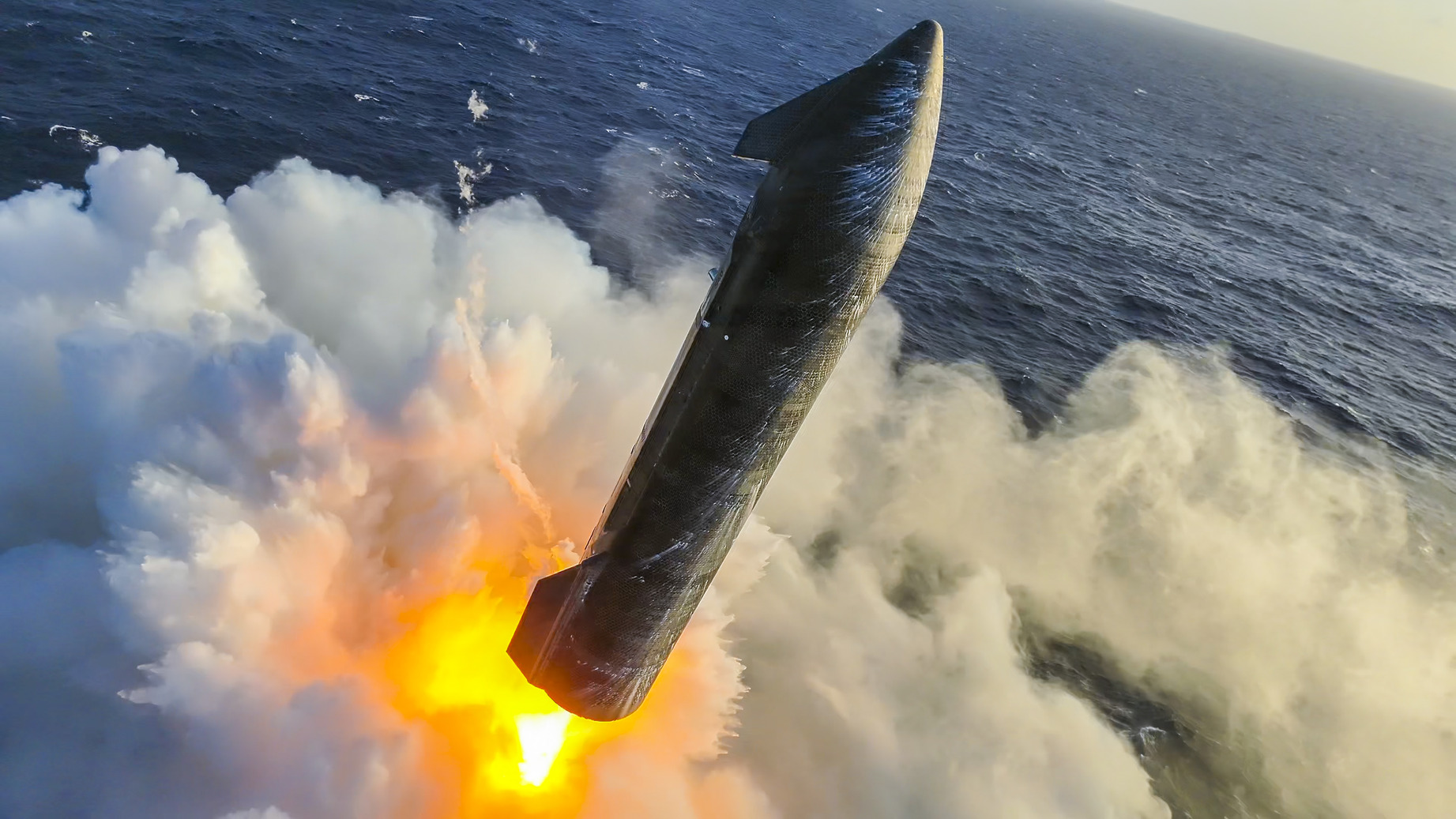
BOCA CHICA, Texas — A fleet of recovery vessels is closing in on one of the most unusual prizes in SpaceX history: an intact Starship upper stage bobbing in the Indian Ocean off Western Australia, so gently splashed down that it never sank.
Satellite imagery captured on August 3 showed three ships — the Norwegian tugs Normand Ranger and Skimmer Tide, joined by Go Australis — converging on Ship 40, the vehicle that flew on Starship's 13th test flight. CEO Elon Musk confirmed on July 28 that the company would send a ship to retrieve the prototype, writing simply, 'We're sending a ship out to recover Starship.'
A Landing Precise Enough to Float
What makes the recovery remarkable is how softly Ship 40 arrived. The vehicle appeared to remain airtight after its controlled splashdown, floating rather than breaking apart the way earlier prototypes did. Musk went further, noting the descent was so accurate that 'the ship landing was precise, meaning that it would have been caught by the tower arms.' For exactly that reason, SpaceX has already cleared Starship for its first attempt at an orbital tower catch on the next flight.
Flight 13 itself was an emphatic success. Starship increased acceleration throughout ascent to stress-test its heat shield, deployed 20 Starlink V3 satellites, relit a Raptor engine in space and splashed down without incident. Six of those satellites carried cameras to scan the ship's hexagonal ceramic tiles during reentry, and SpaceX later shared stunning footage of the ship in orbit filmed by its own Starlink cargo.