HAWTHORNE, Calif. — SpaceX has crossed another remarkable line in low Earth orbit, growing its Starlink constellation beyond 11,000 operational satellites and cementing the network as the largest ever built by a wide margin.
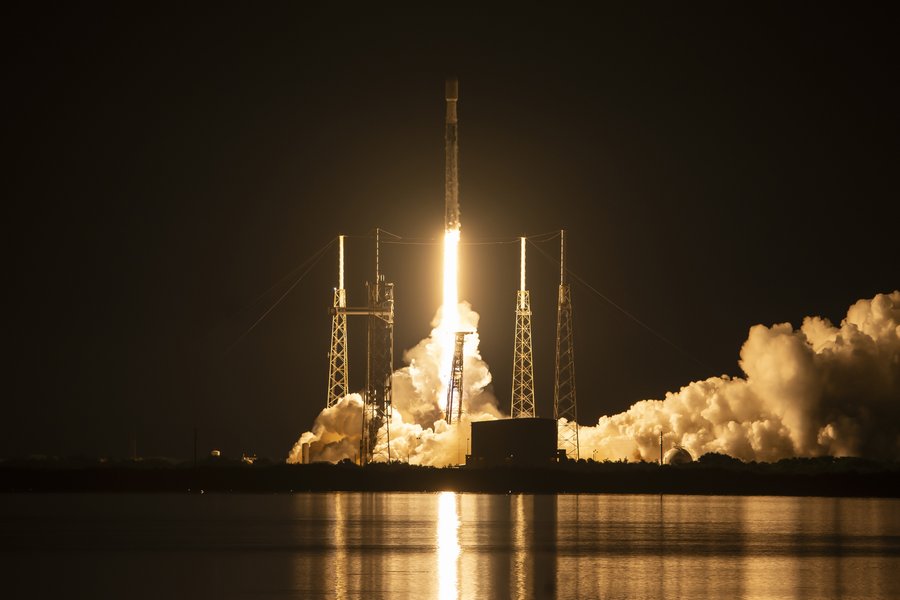
The milestone came with the Starlink 17-50 mission, which lifted off from Space Launch Complex 4 East at Vandenberg Space Force Base in California in the predawn hours of Aug. 19. The flight added another batch of broadband satellites to a constellation that now accounts for roughly two-thirds of all active spacecraft circling the planet.
A Network Unlike Any Other
Starlink began modestly, with the Tintin test satellites in February 2018 and the first operational batch of 60 in May 2019. Seven years later, SpaceX has launched more than 12,000 Starlink spacecraft across all versions, routinely lofting 24 to 30 at a time aboard reusable Falcon 9 rockets and continuously replacing older units as they deorbit by design.
That cadence has turned launches once separated by weeks into an almost routine operation. SpaceX has already flown more than 2,000 Starlink satellites in 2026 alone, and the constellation now delivers internet to millions of users across more than 160 countries, supporting everything from rural homes to airliners, ships, and emergency responders. The pace mirrors the record-setting launch tempo behind SpaceX's 100th orbital mission of the year.
Bigger Ambitions Ahead
SpaceX is not slowing down. In July the company asked the Federal Communications Commission for authority to build a third-generation constellation of up to 100,000 satellites, operating in very low orbit shells near 325 and 475 kilometers. SpaceX says the expanded system aims to deliver multi-gigabit, symmetrical broadband to consumers, enterprises, governments, and billions of AI-powered devices worldwide.
