SpaceX Eyes Late August for Starship's First Ship Catch

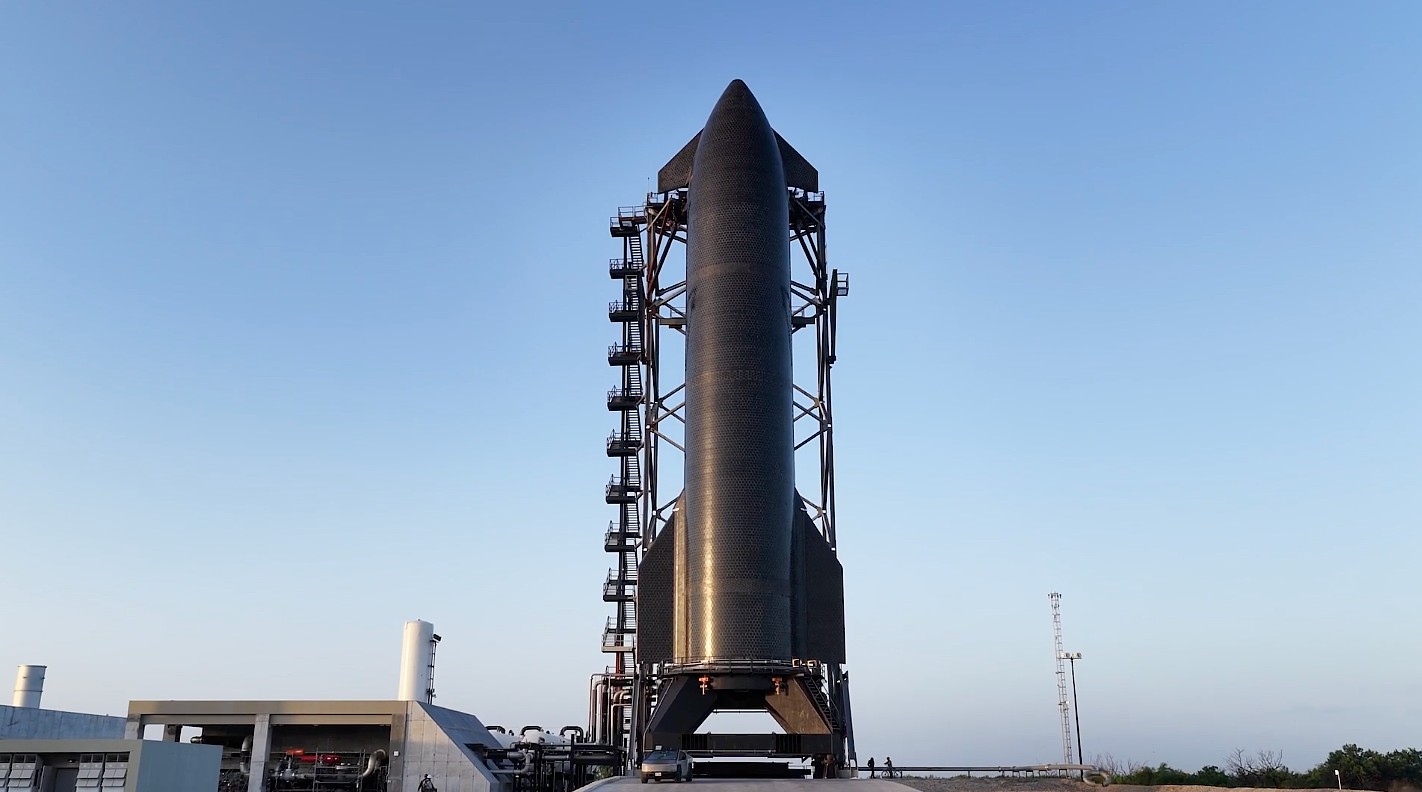
SpaceX is targeting late August for Starship Flight 14, a mission that could deliver the vehicle's first orbital flight and the first-ever attempt to catch the upper stage with the launch tower's mechanical arms.

3 min read
SpaceX Eyes Late August for Starship's First Ship Catch

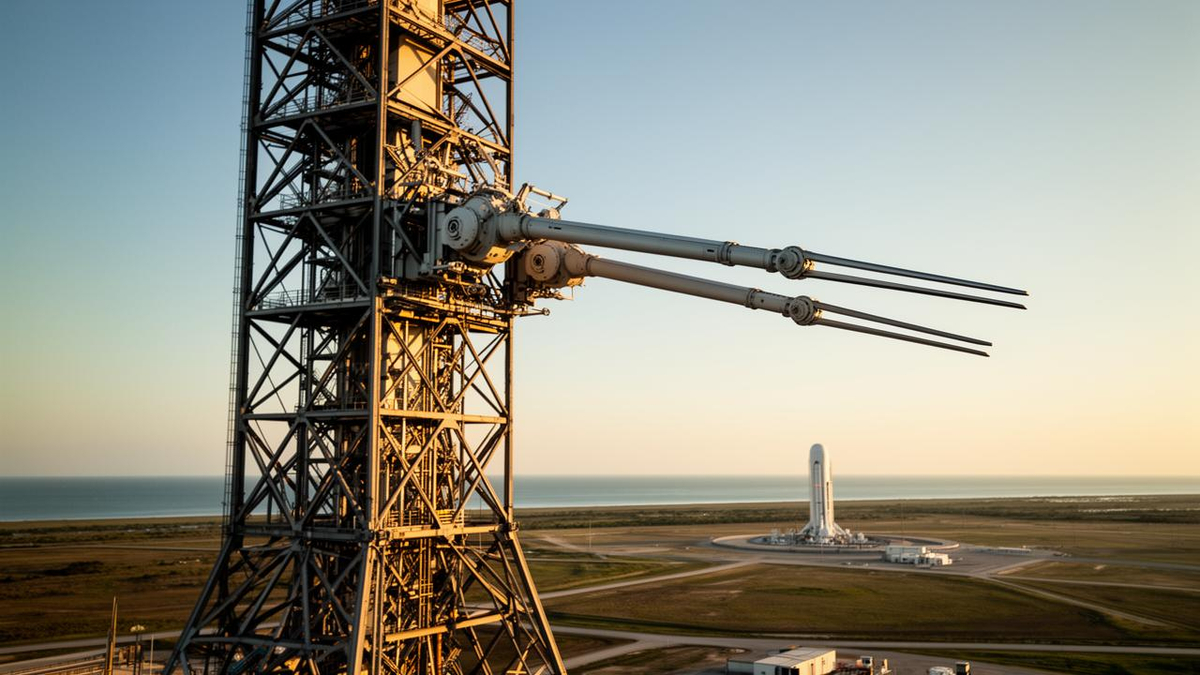
BOCA CHICA, Texas — SpaceX is closing in on one of the most ambitious test flights in its history. Starship Flight 14 is now increasingly likely to launch as early as Aug. 28, a mission that could mark the vehicle's first insertion into Earth orbit and the first-ever attempt to catch the towering upper stage with the launch tower's mechanical "chopstick" arms.

The plan, outlined in recent FCC filings and confirmed by CEO Elon Musk on the company's Aug. 4 earnings call, would see Starship deploy roughly 20 next-generation Starlink V3 satellites before returning the "Ship" to Starbase for an aerial catch. A separate filing even references recovering the Super Heavy booster at the pad, raising the tantalizing possibility of back-to-back tower catches of both stages.

Two Clean Splashdowns Set the Stage

The path to a catch attempt was cleared by two consecutive precision splashdowns of the upper stage in the Indian Ocean, on Flight 12 in May and Flight 13 in July. Musk had long said a tower catch of the Ship would only be tried after two successful soft water landings — a condition now met. Flight 13 also delivered the first clear post-splashdown views of a largely intact heat shield, the durability breakthrough Musk says has effectively been solved. The company's rising launch tempo, chronicled in its 50th West Coast launch of the year, shows how fast the operation is scaling.
SpaceX Eyes Late August for Starship's First Ship Catch — additional image

Why Flight 14 Matters

Analysts at UBS call the flight "a transition point from proving the rocket works to demonstrating its ability to support the company's ambitious growth plans." The operational debut of Starlink V3 — satellites with more than double the mass of the current V2 Mini and a target of 100 times the bandwidth — is central to that thesis, feeding directly into the record revenue run-rate SpaceX described after its surging second quarter.

Built for Rapid Reuse

Hardware is already lining up behind the mission. Booster 21 and Ship 41 are being prepared for Flight 14, with Booster 22 and Ship 42 stacking for the flight after that — a production pace that signals SpaceX views orbital Starship as operational, not experimental. Musk told employees that within a year the company aims to launch Starship "at least once a day."

The official date has not been locked, and SpaceX's own history counsels patience with Starship timelines. But as BigGo Finance detailed, a late-August liftoff would come barely five weeks after Flight 13 — proof that the fastest-moving program in spaceflight keeps accelerating.