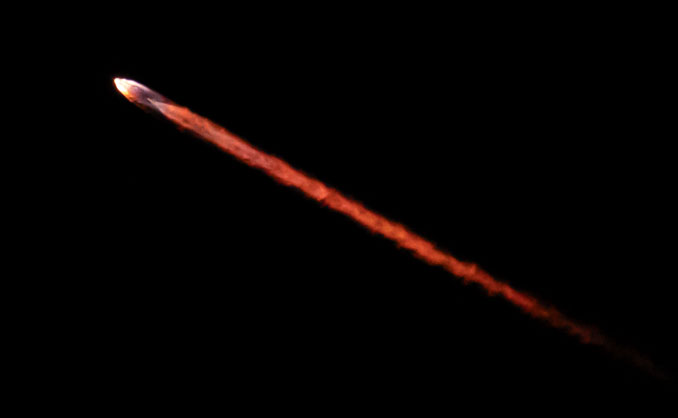
HAWTHORNE, Calif. — SpaceX added another chapter to its fast-growing national security business over the weekend, launching the classified USSF-366 mission for the U.S. Space Force from Vandenberg Space Force Base with almost no details disclosed about what rode to orbit.
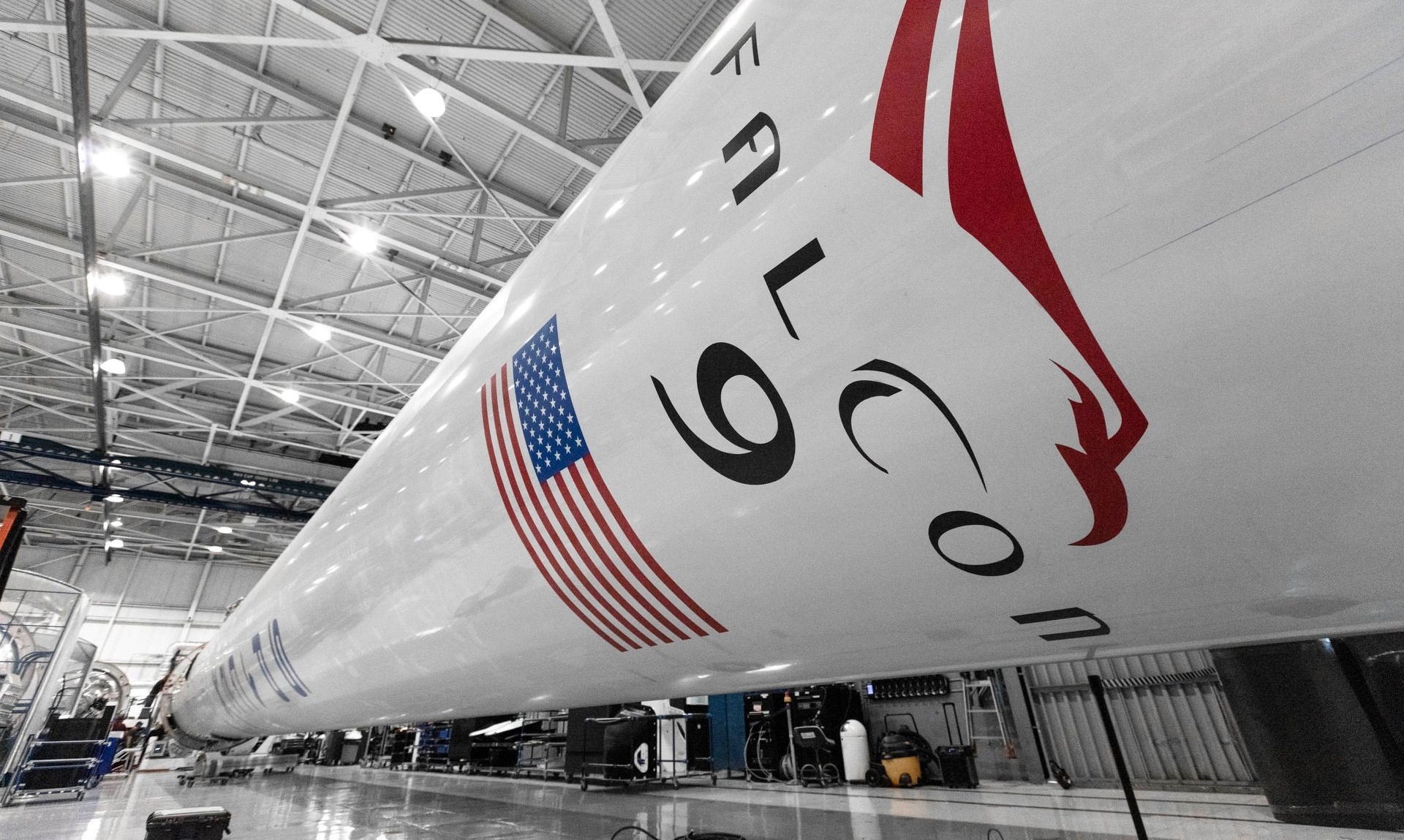
The Falcon 9 lifted off Saturday night from Space Launch Complex 4 East during a window that opened at 9:52 p.m. ET and ran into the early hours of Sunday. SpaceX confirmed the flight on its channels and described the payload only as classified, a level of secrecy that stands out for a company that livestreams nearly everything else it does. It came just a day after SpaceX''s record-setting Globalstar and Space Force doubleheader from Florida.
Analysts Point to Starshield
While the government released little, independent trackers filled in the gaps. Reporting from spaceflight analysts noted that the rocket''s stage drop zones matched the profile SpaceX has used on previous Starlink Group 15 missions, pointing to Starshield as the likely payload rather than a one-off government satellite.
Starshield is SpaceX''s national-security product line — a version of the Starlink satellite bus built to Pentagon specifications for Earth observation, secure communications and hosted payloads. Unlike consumer Starlink, Starshield spacecraft operate largely out of public view once they reach orbit, which is why missions like USSF-366 reveal so little.