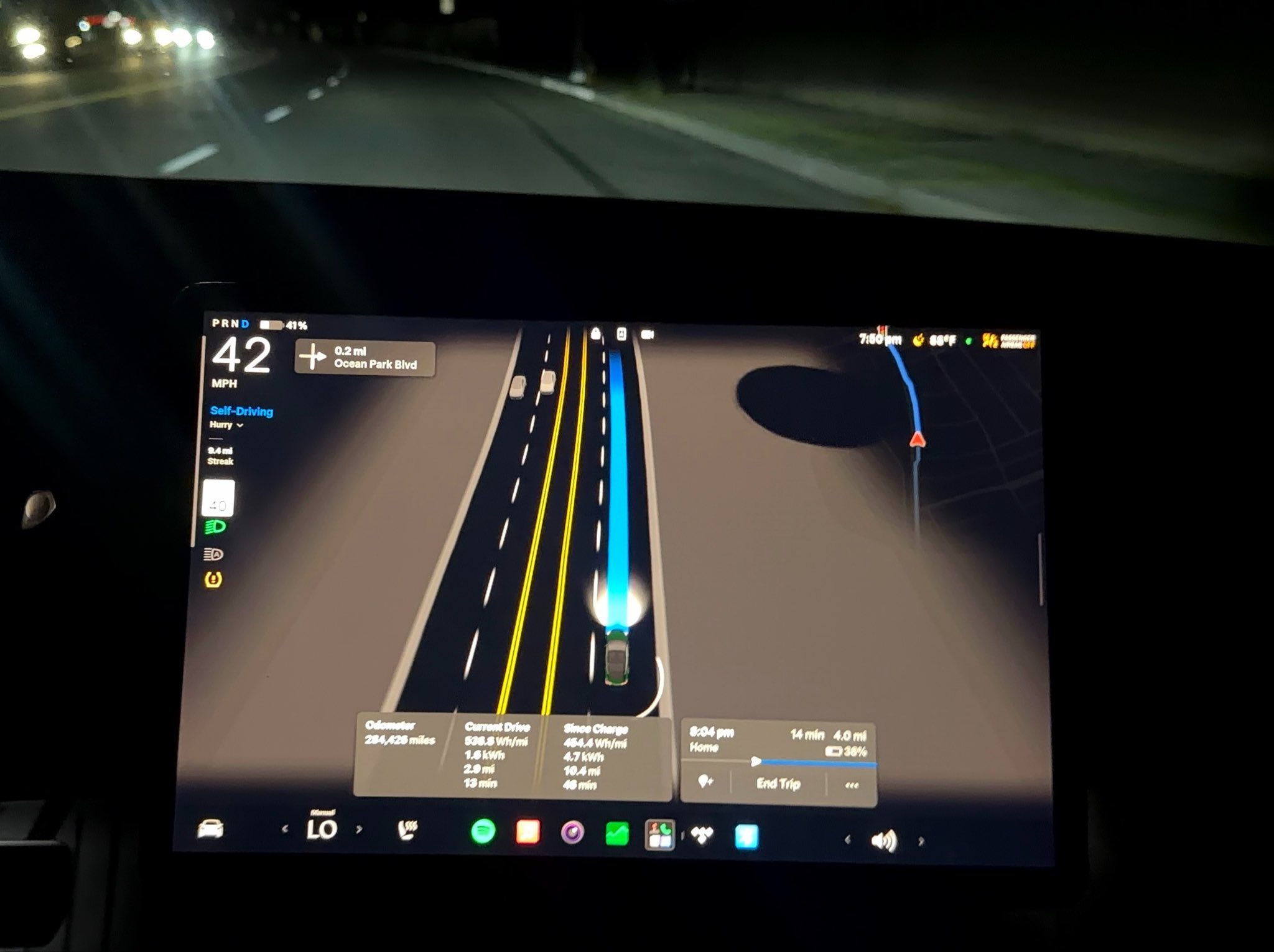
AUSTIN, Texas — Elon Musk confirmed this week that Tesla's long-standing offer to license its Full Self-Driving software to other automakers still has exactly zero takers — a fact that says as much about Tesla's lead as it does about the industry's hesitation.
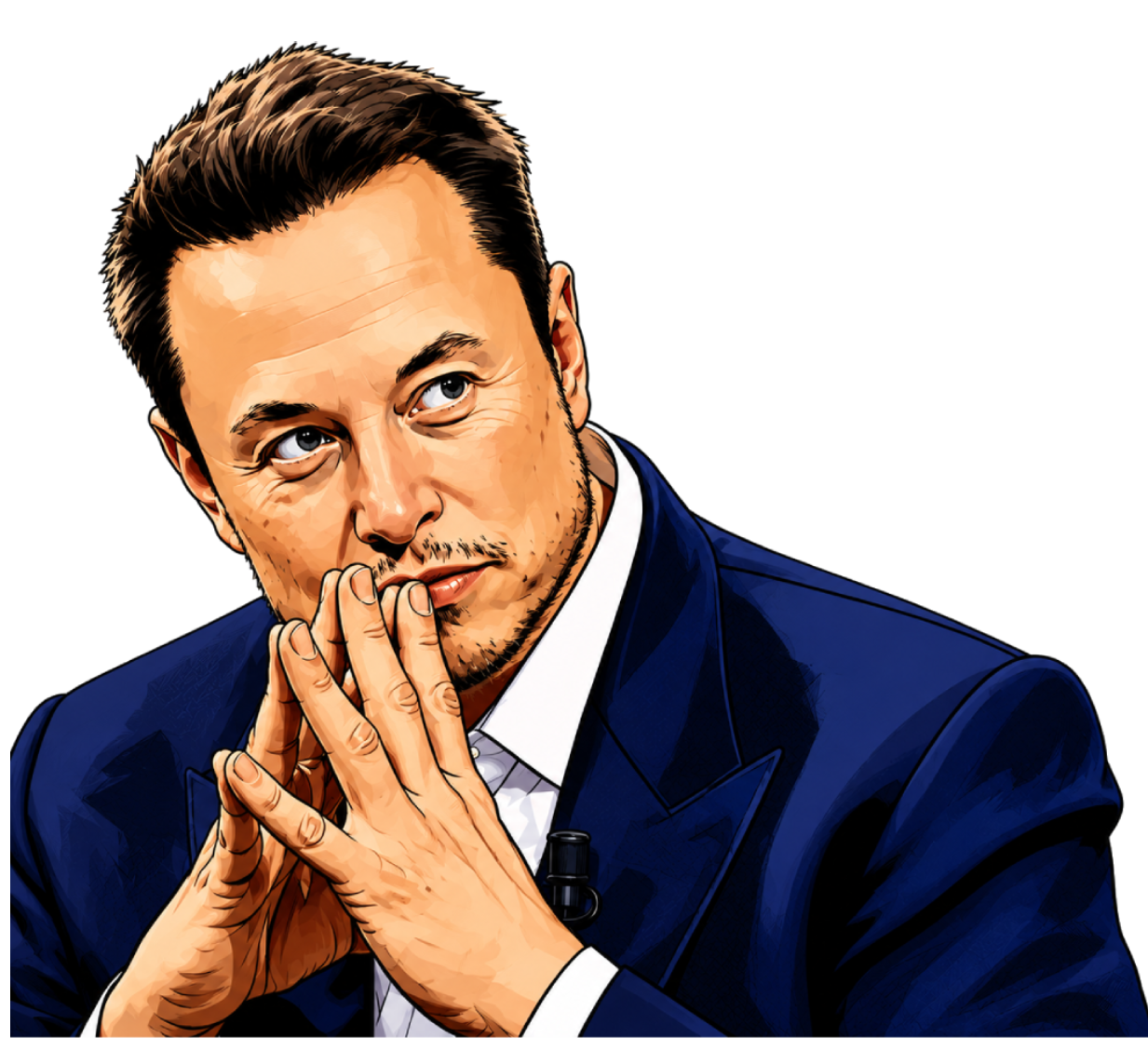
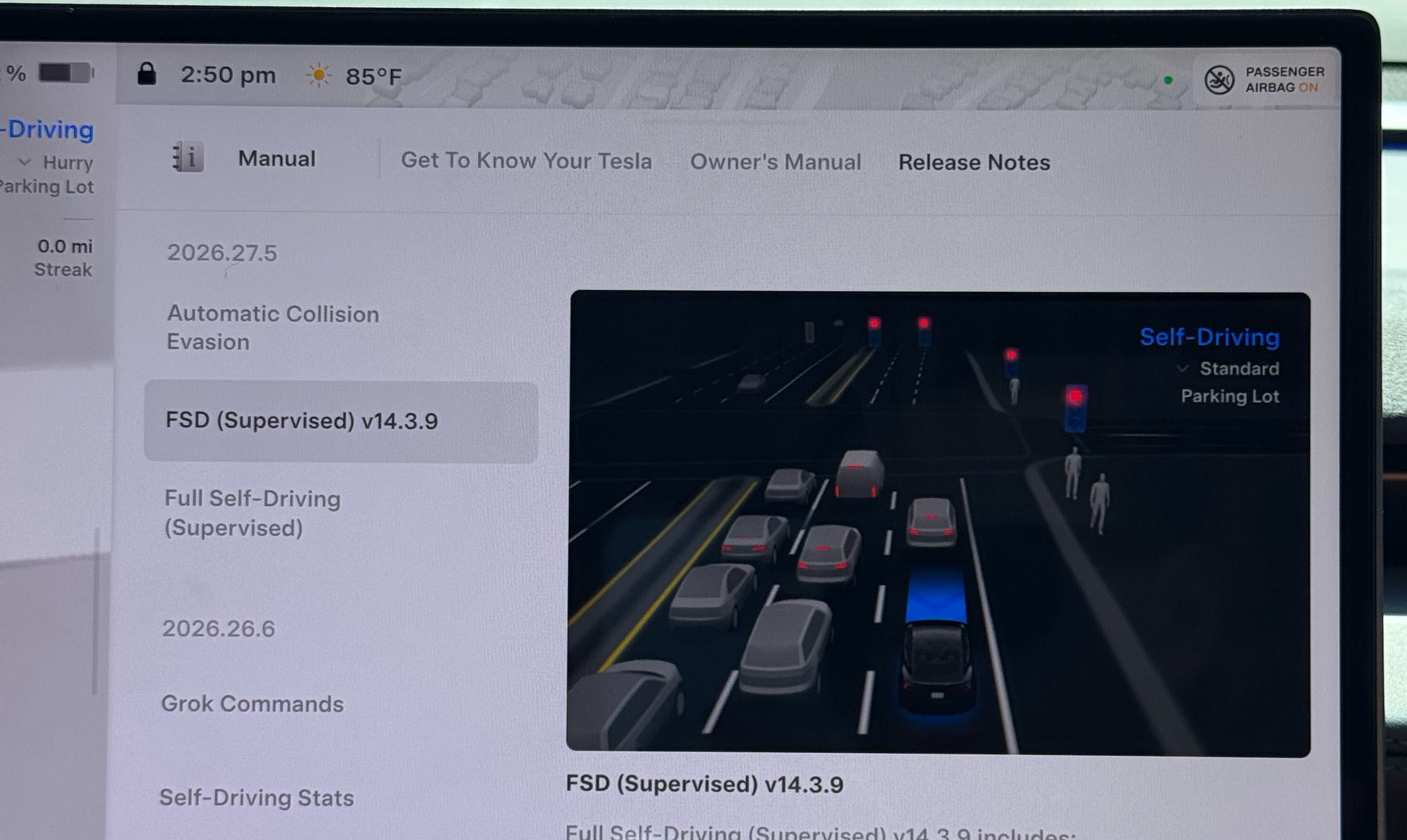
The exchange started when analyst Sawyer Merritt noted on X that "Tesla has for years openly invited other automakers to license FSD. None of them have accepted," responding to a prediction that Tesla would eventually open FSD the way it opened its Supercharger network to rival brands. Musk's reply was a single word: "Exactly." It is a point he has made before, and it arrives as Tesla's autonomy program keeps posting milestones, including a Full Self-Driving attach rate that has climbed to 55% among new buyers.
Why the Supercharger playbook only goes so far
The comparison is tempting. Once Tesla's NACS connector became the de facto charging standard, Ford, GM, Rivian and others adopted it within about a year. The logic was supposed to repeat with FSD: build a big enough lead, and switching becomes the obvious move for everyone else.
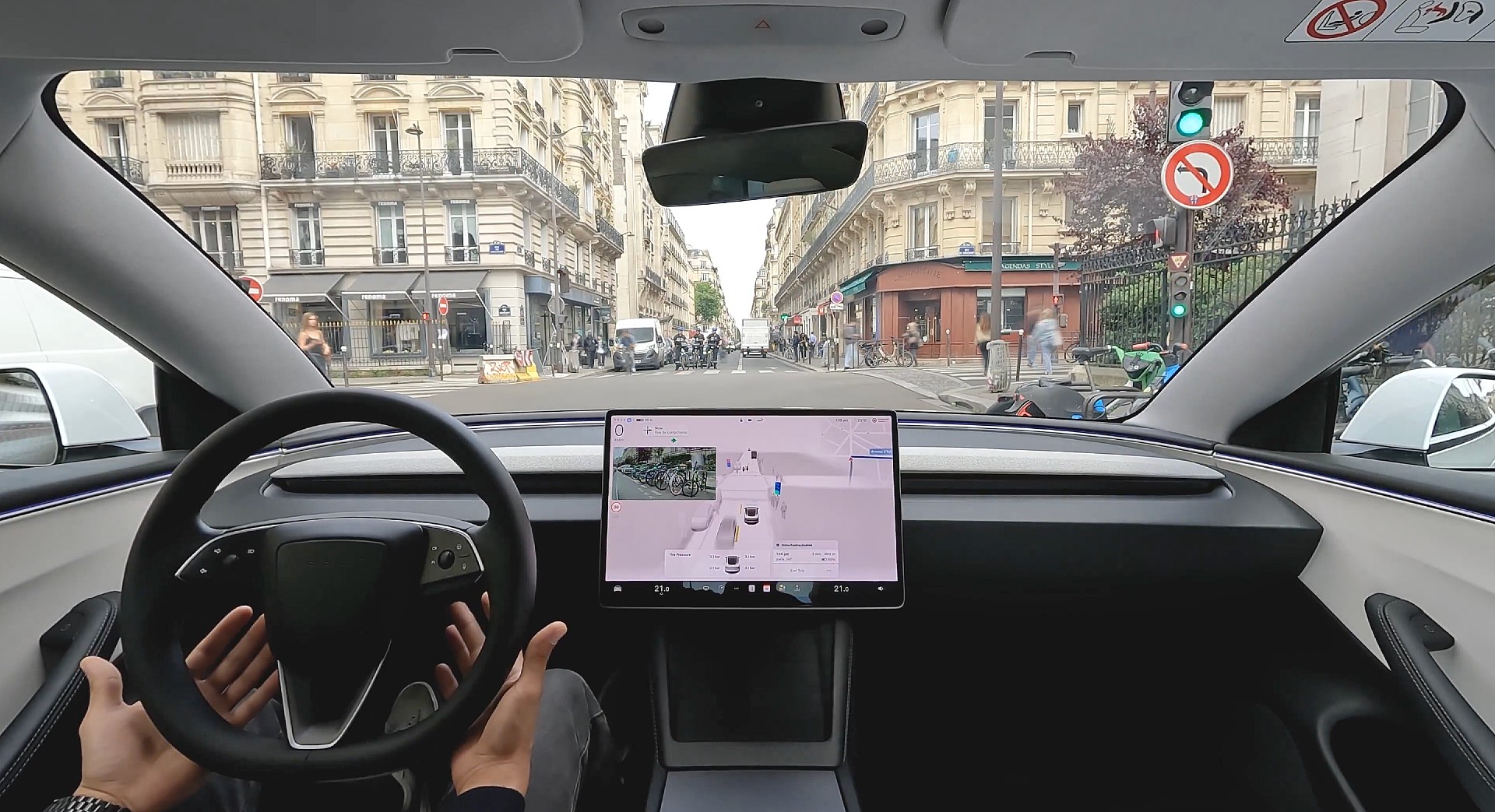
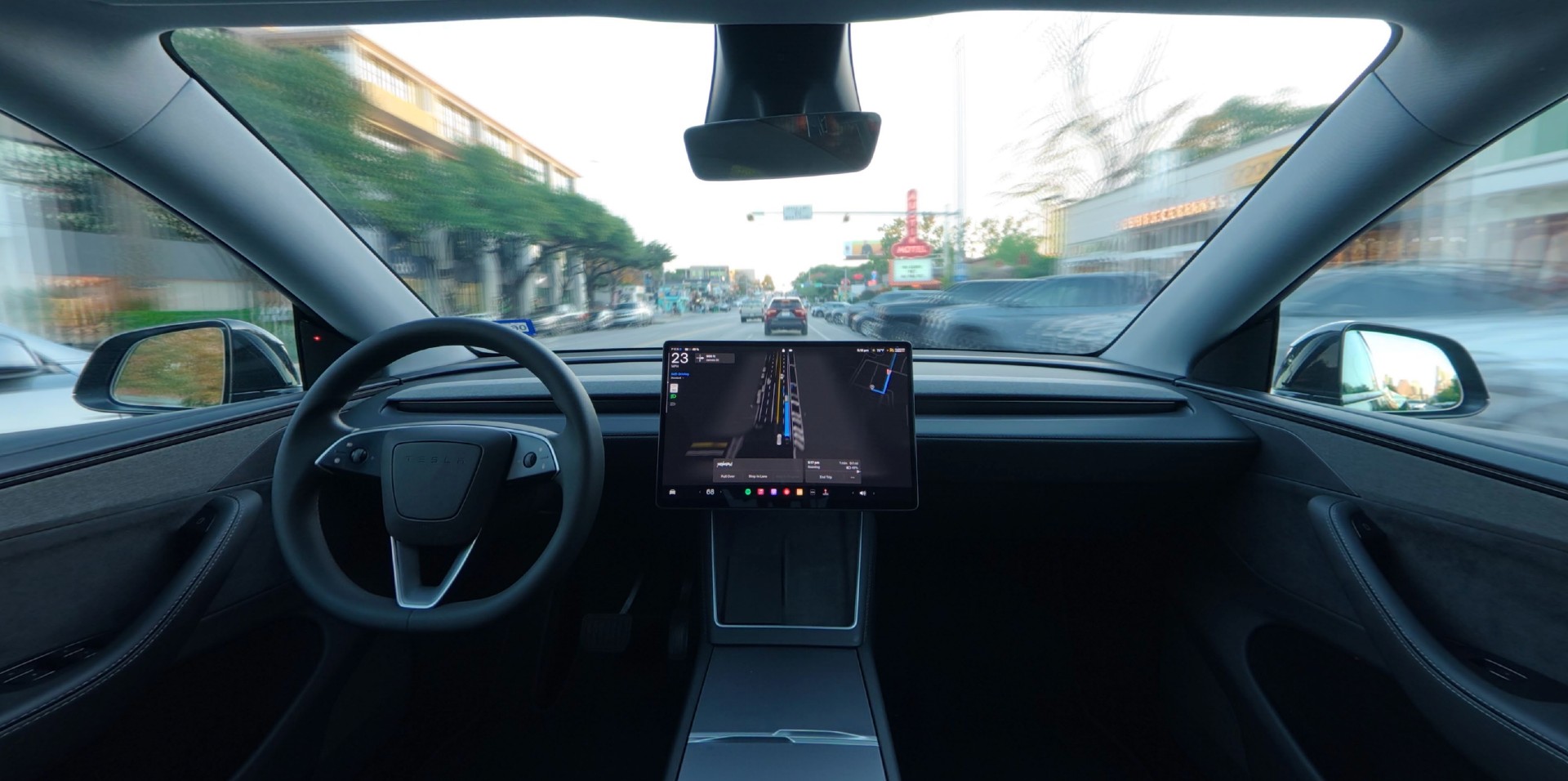
But FSD is not a plug spec. Licensing it means adopting Tesla's eight-camera layout and its onboard compute architecture — in effect turning a rival's car into Tesla hardware wearing a different badge. That is a far heavier lift than swapping a charging port, and it helps explain why legacy automakers have hung back even as the offer sits on the table.
The real moat is data
There is a subtler reason too. A licensed FSD stack would report the same telemetry Tesla collects from its own fleet, giving Tesla a continuous read on how a competitor's cars are actually driven — where they struggle and how often drivers intervene. For an automaker trying to build its own autonomy program or simply guard its safety record, handing Tesla that visibility could cost more than the hardware bill. Opening a charging plug cost Tesla very little; opening FSD would hand rivals something Tesla spent a decade and billions building.
A widening lead
The backdrop makes the standoff all the more striking. Waymo, Zoox and Tesla's own Robotaxi fleet are now logging unsupervised autonomous miles, and every automaker still shipping driver-assist systems that trail FSD has effectively ceded the robotaxi conversation. Tesla, by contrast, keeps expanding the footprint of supervised FSD, most recently winning approval in Czechia as the seventh EU country to clear the system for public roads.
That an offer this generous still has no takers is, in the end, a measure of Tesla's position rather than a knock against it — a reality laid out in Teslarati's reporting on Musk's comments. Rivals are not declining because FSD is unproven; they are declining because accepting it would mean building their future on Tesla's foundation. For now, that leaves Tesla driving the autonomy race with, as Musk likes to put it, no close second behind.