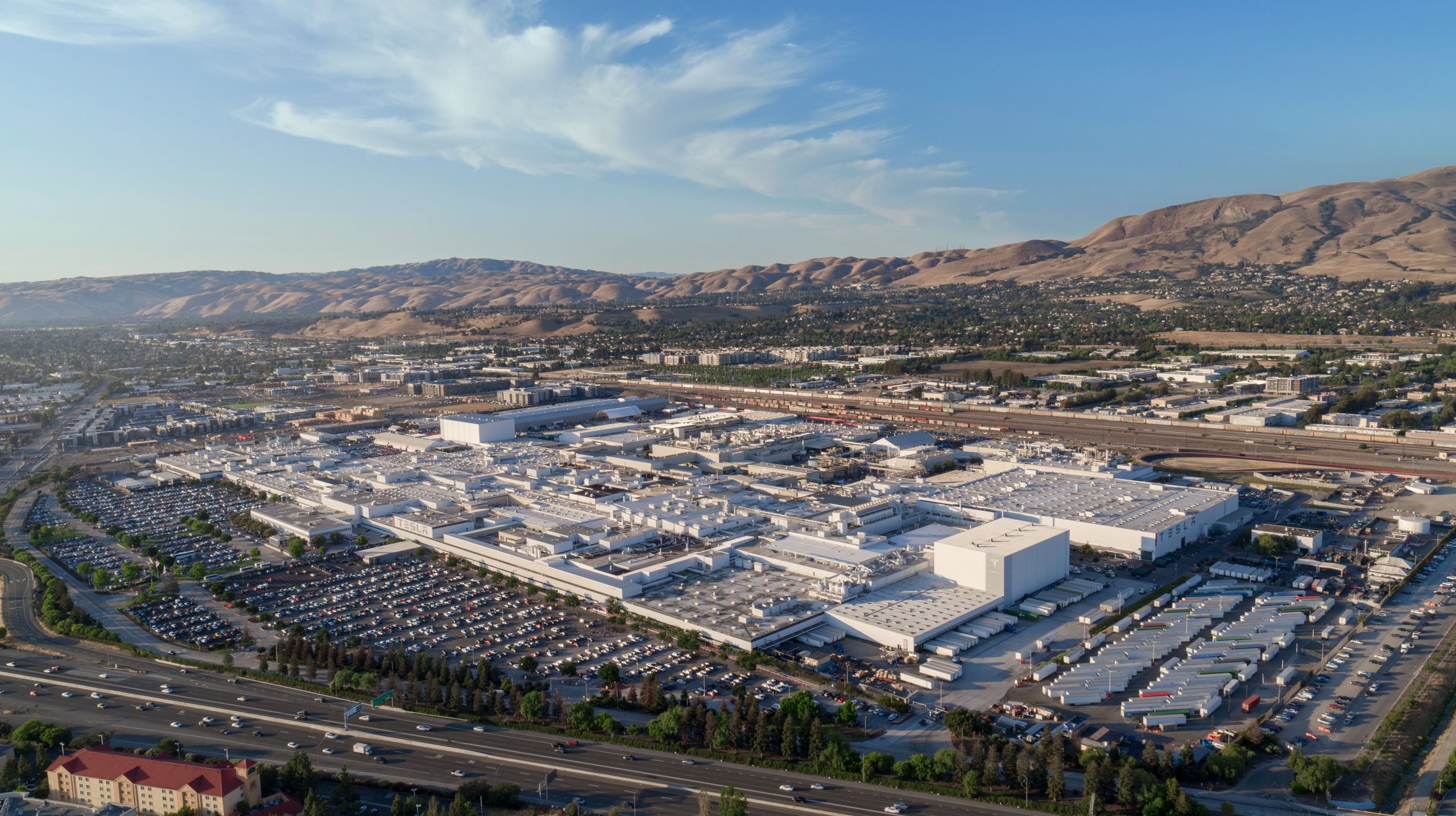
AUSTIN, Texas — Tesla laid out an ambitious near-term roadmap for autonomy and robotics during a meeting with JPMorgan analysts at its Fremont factory, describing Full Self-Driving version 15 as a “step-change” and setting a target for external Optimus sales in the second half of 2027.
According to the bank's note, Tesla views FSD v15 as a major jump in capability comparable to the leap from v13 to v14, built on seven core technologies. Roughly 40% of those are already being tested in the company's Austin robotaxi fleet, where early feedback has been described as encouraging.
Seven Technologies, Already on the Road
The detail that stands out is how far along v15 already is. Tesla told analysts that a meaningful share of the release is running in live robotaxi vehicles today, on standard AI4 hardware, which the company says is capable of supporting unsupervised driving. Tesla is also rolling out AI4.5, an updated computer with roughly 10% more compute and about twice the memory, positioned as headroom for larger models and longer context windows.
That confidence is shaping fleet strategy. Tesla said it is intentionally holding back further Model Y robotaxi conversions because it expects to scale its purpose-built Cybercab in the near term, a decision that fits the broader thesis that Tesla's value increasingly rests on AI, energy and robotaxi rather than vehicle sales alone.
Cybercab at the Center
The Cybercab, a two-seat vehicle built without a steering wheel or pedals, is designed for high utilization and a long-run operating cost near $0.30 per mile. Tesla told JPMorgan it is confident it can ramp the vehicle through an “unboxed” manufacturing process, with fleet expansion accelerating from late 2026 into early 2027. The company reiterated that Cybercab is only the first body style on the platform, with additional form factors to follow. The push lines up with Tesla's preparations for a public Cybercab launch in Austin.
Optimus Gen 3 Heads Toward Production
On robotics, Tesla said the Optimus Gen 3 design is finalized and its supply chain is essentially locked in, with a production line going into the former Model S/X facility in Fremont. External commercial sales could begin as early as the second half of 2027, and Tesla outlined long-term capacity ambitions of roughly 1 million units at Fremont and up to 10 million in Texas.
JPMorgan left the visit maintaining a price target around $475, reflecting a deeper appreciation of Tesla's manufacturing automation. As Electrek detailed in its report on the Fremont meeting, the note offers a rare, specific look at what Tesla is telling investors about the timeline for its most closely watched programs.
If v15 delivers on the step-change Tesla is promising, the back half of the decade could see FSD, Cybercab and Optimus reach commercial scale within months of one another — a convergence few companies are even attempting.