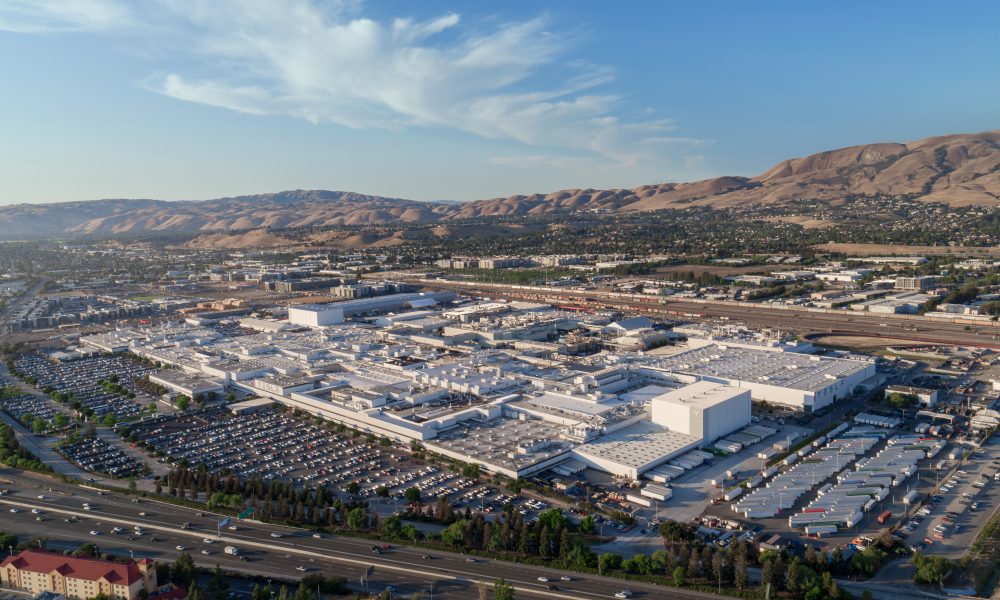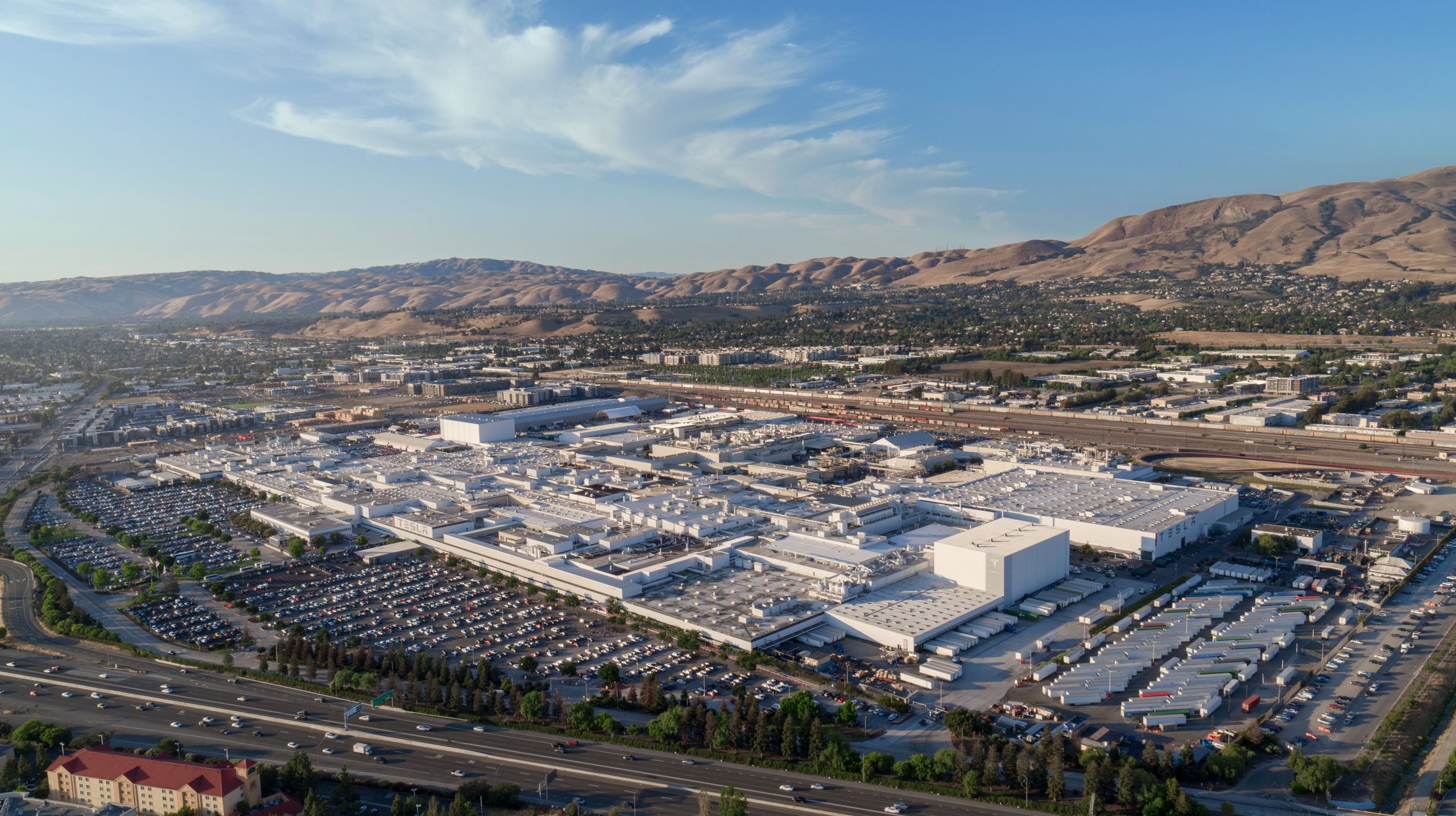
AUSTIN, Texas — Tesla has handed Wall Street its clearest look yet at how quickly its autonomy and robotics roadmap is advancing, telling JPMorgan analysts during a visit to its Fremont factory that Full Self-Driving version 15 represents a "step-change" in capability and that the Optimus humanoid robot could reach outside buyers as soon as the second half of 2027.
FSD v15 Built on Seven Core Technologies
According to the JPMorgan note, first surfaced by Tesla investor Sawyer Merritt, Tesla described FSD v15 as a genuine leap comparable to the jump from v13 to v14. The release is built on seven "core technologies," roughly 40% of which are already running in the Austin robotaxi fleet, where early feedback has been described as encouraging.
Tesla also reaffirmed that its current AI4 (HW4) computer is capable of running v15 and unsupervised driving, while a new AI4.5 compute platform — with about 10% more processing power and roughly double the memory — is designed to future-proof the fleet as robotaxi models scale. That framing lines up with the growing view on Wall Street that Tesla's real value now sits in AI, energy and robotaxi rather than car sales alone.
Cybercab First, With More Form Factors to Come
The bank came away with a picture of a company deliberately prioritizing its purpose-built Cybercab. Tesla said it is intentionally holding back further Model Y robotaxi conversions, expressing confidence it can ramp the two-seat, steering-wheel-free Cybercab in the near term at a long-run cost near $0.30 per mile.
Management reiterated that the Cybercab is only the first vehicle on the platform, pointing to additional form factors — including the earlier Robovan concept — as the architecture evolves. The message dovetails with Tesla's preparations to bring Cybercab to the public in Austin, where a dedicated launch event is now on the calendar.