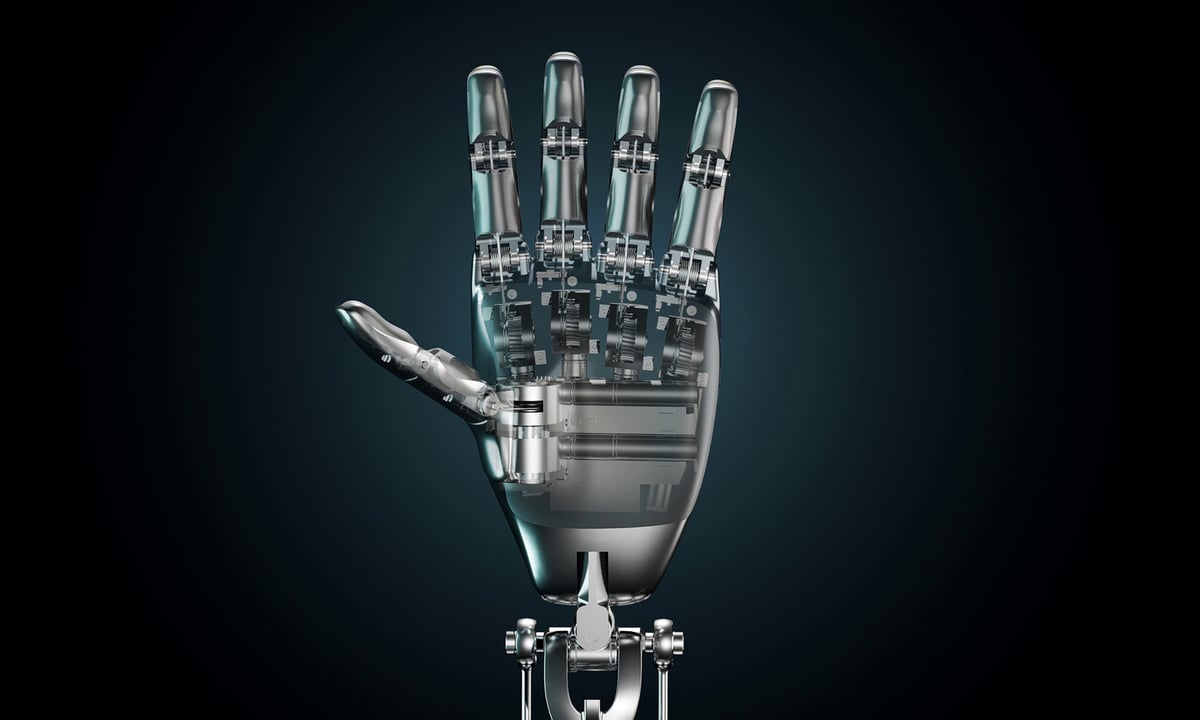
FREMONT, Calif. — Tesla has crossed a threshold years in the making: its Optimus humanoid robot is now in production at the company's Fremont, California factory, using floor space that once built Model S and Model X sedans.
It is a landmark moment. Elon Musk has repeatedly said Optimus could become the most valuable product Tesla has ever made, going so far as to suggest robotics could one day account for the majority of the company's worth. Starting production is the concrete first move from prototype to product, and it hands Tesla a real assembly line on which to learn.
From concept to assembly line
Musk has been candid that initial production is the beginning of a long climb rather than the finish. On the company's most recent earnings call he called Optimus the hardest product to scale that Tesla has ever attempted, noting that essentially every component is new and that no existing supply chain can simply be tapped to build a robot of this kind. Tesla has responded by building much of that supply chain itself and pulling key work in-house, a vertically integrated playbook that mirrors how it approached its self-driving software and next-generation product roadmap.
The Fremont line is designed as a template. Lessons learned there on tooling, throughput, and cost will be transferred to Giga Texas in Austin, which Tesla intends to run as its high-volume Optimus plant. That staged approach, prove it small, then scale it big, is the same discipline Tesla has applied to vehicles and, more recently, to its expanding manufacturing footprint across new factories.