Musk Puts AI and Robots at the Center of Tesla's Story

A seven-year analysis of Tesla earnings calls shows Elon Musk now spends nearly half his time on AI, robotaxis and Optimus — a window into where the company is heading.

3 min read
Musk Puts AI and Robots at the Center of Tesla's Story

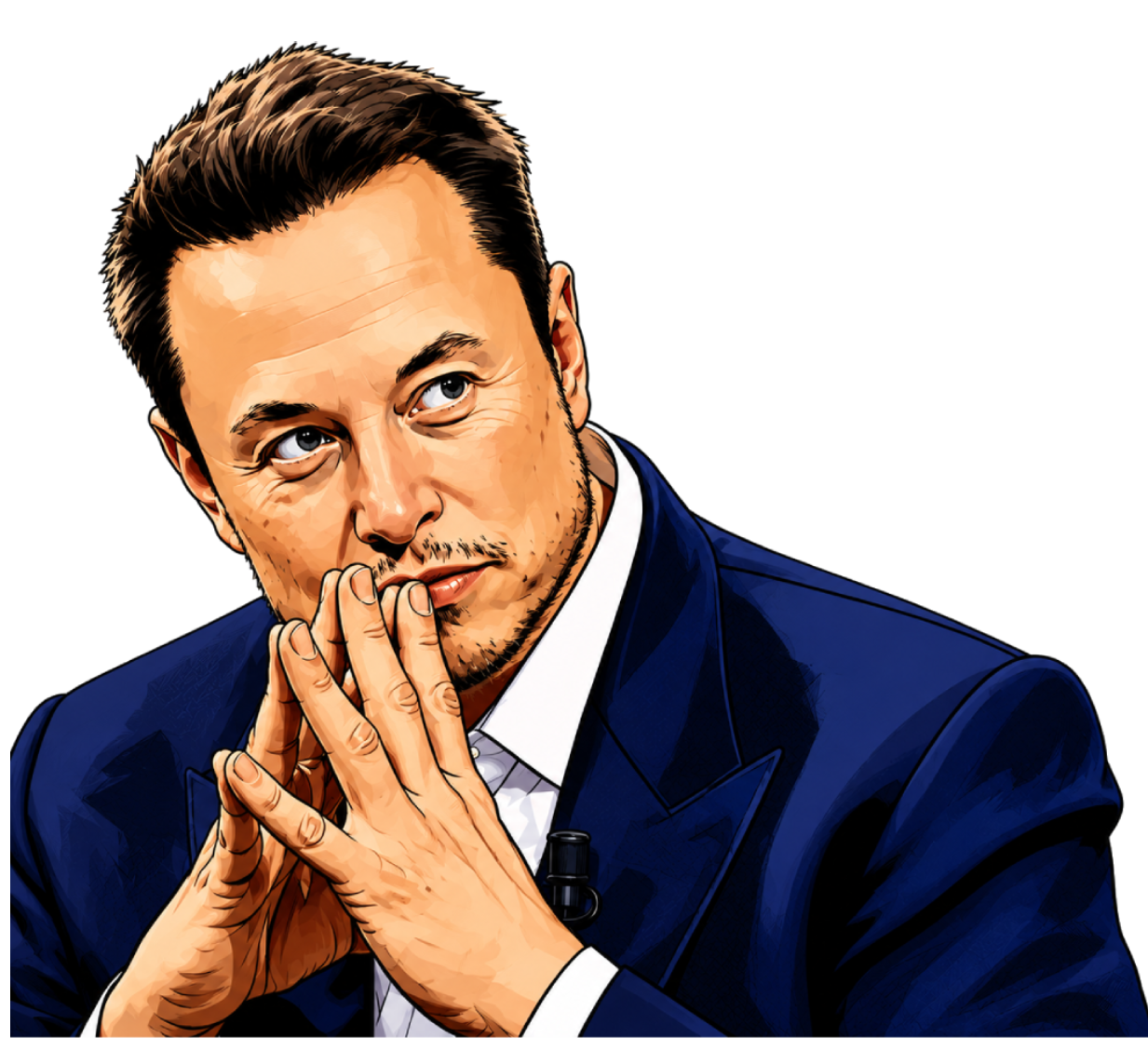
AUSTIN, Texas — Elon Musk wants the world to see Tesla as an artificial-intelligence and robotics company that happens to build cars, and a new analysis of the company's earnings calls shows just how deliberately he has reframed that story. According to a study by financial-research firm Hudson Labs, first reported by TechCrunch, Musk now devotes close to 50% of his earnings-call remarks to AI, Full Self-Driving and robotaxis — up from roughly 15% to 20% just a few years ago.

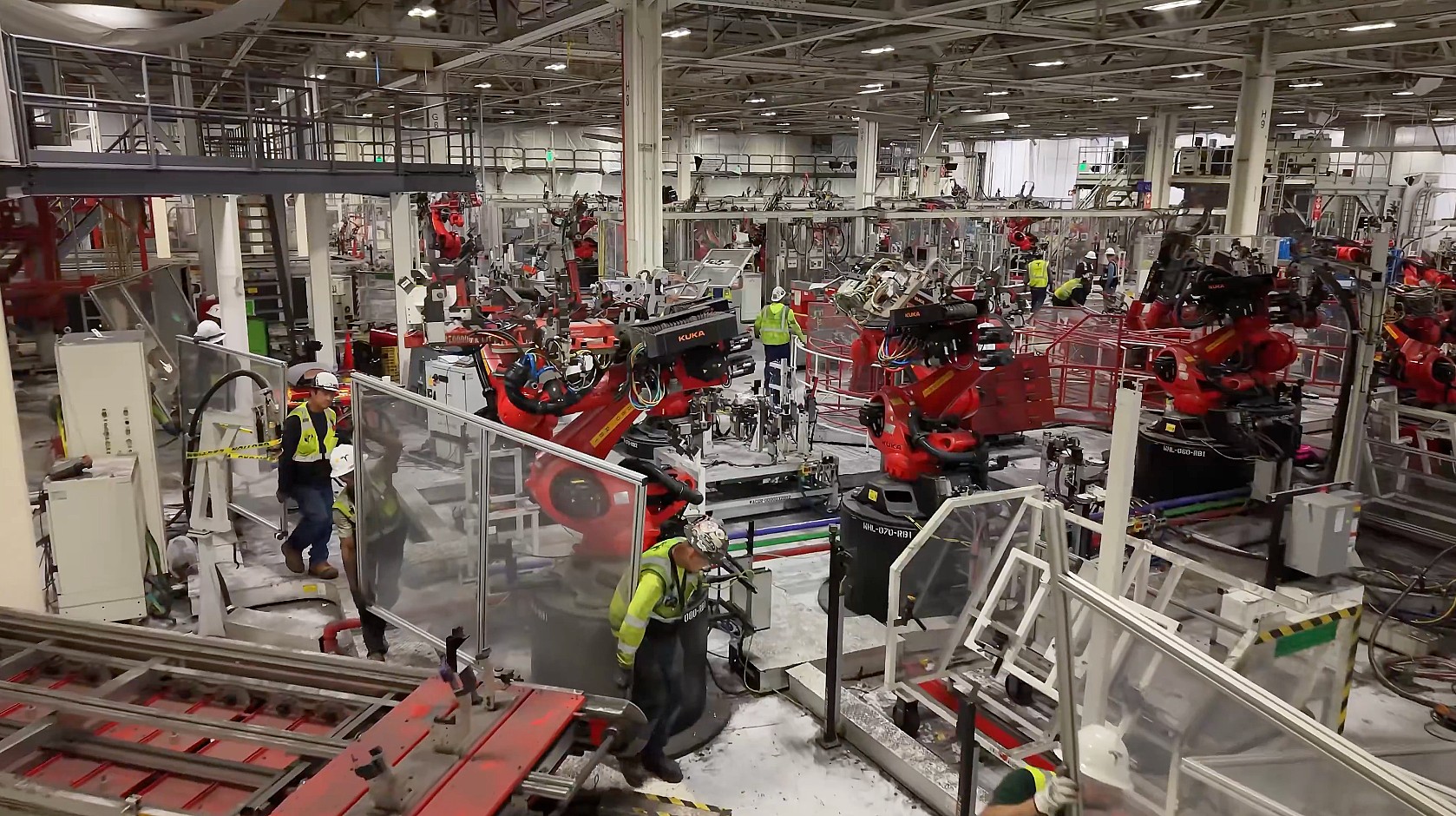
Tesla still ships hundreds of thousands of vehicles a quarter and draws about 70% of its revenue from car sales. But Musk has spent years arguing that the real value lies in autonomy and robotics, and the data captures a leader steering investor attention toward the technologies he believes will define the next decade.

The Numbers Behind the Narrative

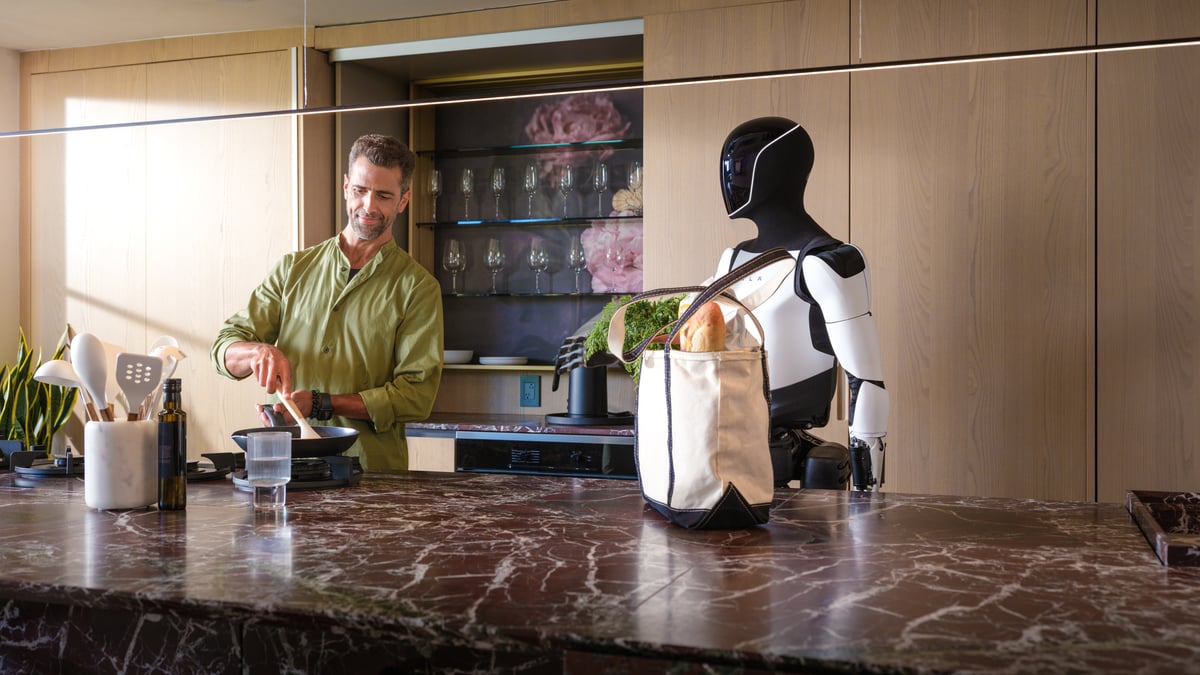
Hudson Labs sourced transcripts back to 2019 and used an AI tool to classify each sentence by topic. The results trace a clear arc: talk of robotaxis and FSD climbed steadily, while discussion of the Optimus humanoid robot exploded from about 2% of Musk's remarks a few years ago to nearly a third of his focus on one recent call. Musk has been blunt about the framing, telling investors that valuing Tesla "as just an auto company" is "the wrong framework."

That thesis is increasingly backed by concrete targets. Tesla's AI chief has confirmed a long-term goal of building 10 million Optimus robots a year, a scale that would dwarf the auto business if realized. It is the clearest sign yet that the robot Musk unveiled in 2021 has moved from side project to centerpiece.
Musk Puts AI and Robots at the Center of Tesla's Story — additional image

More Than Talk

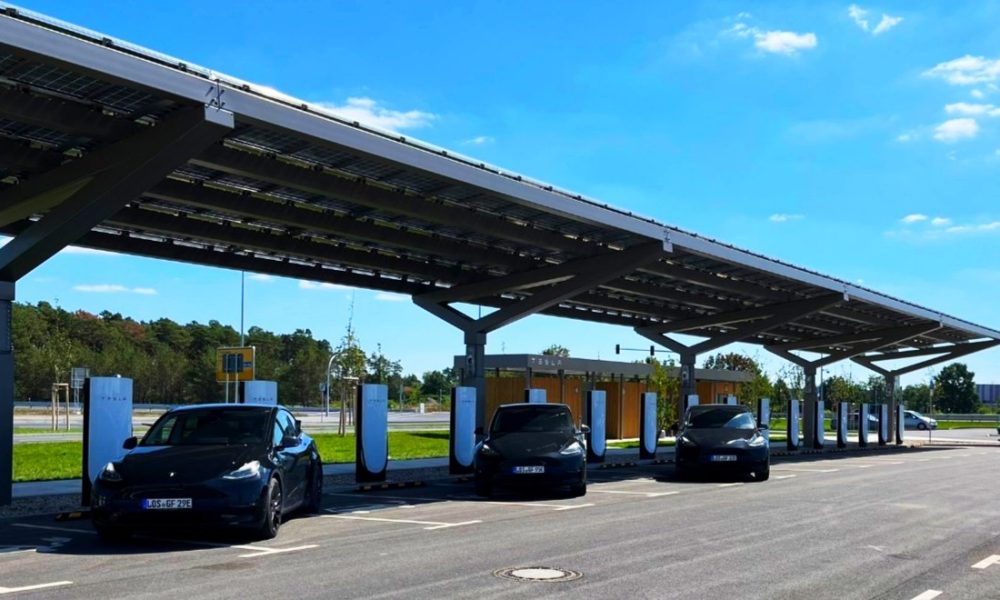
The pivot is not confined to rhetoric. Tesla's robotaxi network is expanding city by city, its FSD software keeps improving with each release, and the company just built its 10 millionth electric vehicle — a manufacturing base Musk intends to repurpose for AI-defined products. Chief financial officer Vaibhav Taneja captured the tone on a recent call, telling investors that "the path to amazing abundance is ever challenging and requires making bold bets," and that "the future is going to be great."

The broader Tesla leadership team still spends meaningful time on the automotive business, a reminder that cars remain the engine funding these ambitions. But the direction of travel is unmistakable, and it aligns Tesla with the AI supercycle reshaping the entire technology industry.

Positioning for the Next Chapter

For Musk, the reframing is strategic as much as descriptive. By anchoring Tesla's identity in autonomy and robotics, he is inviting investors to price the company on the size of those markets rather than on quarterly delivery figures. Whether measured in robotaxi miles, FSD subscriptions or Optimus units, the milestones Musk keeps highlighting all point in the same direction: a Tesla whose most valuable products may not have a steering wheel at all. If the company delivers on even a fraction of that roadmap, the earnings-call math will look less like a change of subject and more like foresight.